

An air mattress for hiking offers portable comfort and light packing. It’s crucial for overnight trails where rest is key.
Selecting the right air mattress for your hiking adventures can significantly improve your camping experience by providing a balance between sleeping comfort and the convenience of a lightweight, compact addition to your gear. Ideal for outdoor enthusiasts, an air mattress should be durable, easy to inflate, and suitable for the environment you’ll encounter.
Modern air mattresses are designed with advanced materials that withstand rough terrain, resist punctures, and provide insulation against the cold ground. A sleeping mat or pad often complements the air mattress, enhancing both warmth and cushioning. Explorers count on a good night’s sleep for energy, making the choice of an appropriate air mattress a foundational aspect of successful trip planning. Remember to factor in size, weight, and material quality to ensure your nighttime rest enhances, rather than hinders, your daytime hiking adventure.
Air Mattress Evolution
Air mattresses have truly transformed over time. Originally designed for home use, their appeal has spread to the great outdoors. Comfort is no longer bound by four walls. Trek enthusiasts now embrace portable bedding, making camping trips cozy. A premium air mattress means restful sleep under the stars.
Manufacturers are keen on meeting the demand for lightweight and compact sleeping solutions. Hiking trails can be tough, but bedtime doesn’t have to be. Innovative designs ensure that these beds are easy to carry and quick to set up. The shift from conventional indoor mattresses to outdoor-ready air beds reflects a changing lifestyle. More people seek adventure while not compromising on comfort.
Key Features To Consider
Size and weight are crucial for hikers. An air mattress should be light and compact. This makes it easy to carry in a backpack.
Durability is also important. The mattress must withstand rough terrain. Look for puncture-resistant materials and reinforced seams.
For cold weather, insulation is key. A good mattress keeps you warm. It should have an R-value high enough for the temperatures you expect.
Types Of Air Mattresses
Self-inflating options are popular among hikers. These air mattresses have a foam layer that expands. Open the valve, and it fills with air itself. It’s easy to pack and offers good insulation. Some models are lightweight, making them ideal for backpacking.
Manual Inflation Models require physical effort to inflate. You will use your mouth or a pump to fill. They can be very compact and light. This type can be a good fit for those who prioritize space over ease.

Credit: gearjunkie.com
Maximizing Sleep Quality
Air mattresses can make hiking trips comfy and refreshing. Choosing the right surface to place your mattress is crucial. Look for a flat and even spot that’s free of sharp objects. An area with natural padding like grass or sand can provide an extra layer of comfort.
Proper inflation level adjustments are key to maximizing sleep quality on an air mattress. Aim for a firm feel to support your back. Yet, leave a bit of give for sleep positions. A too-soft mattress can lead to a sagging middle, while an over-inflated one might feel hard and uncomfortable.
Packing Strategies
Optimizing your pack means being smart about space. Use vacuum-sealed bags to flatten your mattress and minimize bulk. Silica gel packets will keep moisture away, protecting materials and avoiding mold.
Choose a durable, lightweight mattress designed for hikers. Look for features like compact folding and built-in pumps for easy inflation. A good air mattress for hiking should not add too much weight or take up too much space in your pack.
Cushion the mattress in transit with clothes around it. This acts as padding. It prevents punctures from sharp objects.
Finally, select a mattress with a robust outer material. It should withstand the rigors of hiking. The right choice will ensure a comfortable sleep after a hard day on the trails.

Credit: trexperienceperu.com
Overcoming Common Challenges
Air mattresses often get holes while hiking. Carrying a repair kit is essential. Repeat checks are the key to spotting leaks early. Seal small punctures quickly to prevent air loss.
Temperature changes can affect air mattress firmness. High altitudes make mattresses feel overinflated. Cold air can lead to underinflation. An inflatable pad adjusts easier to changes. Always adjust the air pressure before sleeping to ensure comfort.
The Impact Of A Good Night’s Sleep
A good night’s sleep can greatly enhance your hiking experience. Rest is crucial for maintaining energy levels and focus during day-long trails. Not sleeping well can lead to tiredness and less enjoyment on your hike. On the other hand, with proper rest, hikers feel more alert and ready for challenges.
For recovery, a restful night is essential. Your muscles and body heal as you sleep. This means you wake up feeling refreshed and with less soreness. Health benefits are also significant. Quality sleep boosts the immune system. A reliable air mattress is key to achieving this on the trail. It can make a big difference in your outdoor adventures.
Beyond The Basics
Enhance your hiking experience with a few smart additions to your air mattress setup. A comfortable pillow and quality sleeping bag can elevate a basic air mattress to luxury sleep levels. Consider bringing compact, inflatable accessories that don’t weigh much. Always check that your air pump is lightweight and battery-operated for convenience.
| Environmental Consideration | Etiquette |
|---|---|
| Use eco-friendly materials. | Keep noise to a minimum at night. |
| Avoid areas with vulnerable flora. | Leave no trace; clean up after use. |
| Check for air mattress leaks preemptively. | Be considerate of other hikers’ space. |
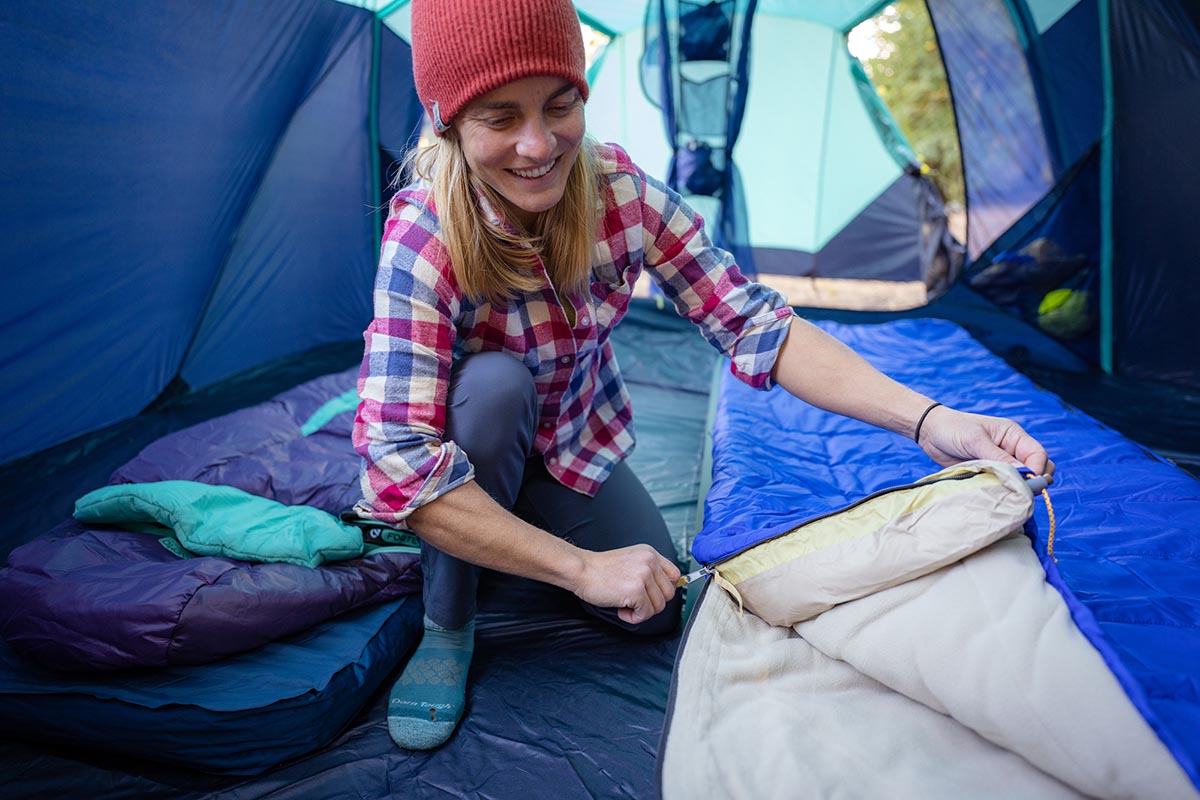
Credit: www.switchbacktravel.com
Frequently Asked Questions For Air Mattress For Hiking
What Is A Hiker Mattress Called?
A hiker’s mattress is commonly referred to as a sleeping pad or sleeping mat. These provide cushioning and insulation for outdoor overnight trips.
Are Self-inflating Mattresses Worth It?
Self-inflating mattresses are worth it for campers seeking comfort and convenience. They offer easy setup, portability, and decent insulation, making them a practical choice for outdoor enthusiasts.
What Are The Different Types Of Hiking Mattresses?
Hiking mattresses come in three main types: air pads, self-inflating pads, and closed-cell foam pads. Each type offers unique benefits for comfort, weight, and insulation.
Is An Air Mattress Good For Camping?
An air mattress is a popular choice for camping due to its portable design and comfort. It provides a cushioned sleeping surface, elevating campers off the ground and helping to retain body heat during cooler nights.
Conclusion
Embracing the wilderness becomes delightful with the right gear. An air mattress is the hiker’s companion for restful nights under the stars. Remember, comfort and durability are key to selecting the perfect mattress. Elevate your hiking experience; choose an air mattress that promises a blissful slumber amidst nature.
Your adventure awaits, rest assured.
