

To identify bed bugs in your mattress, look for tiny brownish insects, rust-colored stains, or small blood spots. An unmistakable musty odor may also be present, indicating an infestation.
Bed bugs are notorious for their stealth and persistence, often making their presence known through itchy bites and subtle signs. These elusive pests hide in the crevices of mattresses, emerging at night to feed. Homeowners should be vigilant, regularly inspecting their beds for telltale signs of these insects.
Spotting bed bugs early is crucial for preventing a full-blown infestation, which can be both stressful and costly to resolve. A clean, uncluttered bedroom can deter infestations, as can using protective covers on mattresses and pillows. Regularly washing bedding in hot water and vacuuming can also help keep these pests at bay. By staying informed and proactive, you can ensure that your sleeping environment remains free of bed bugs and is conducive to a restful night’s sleep.
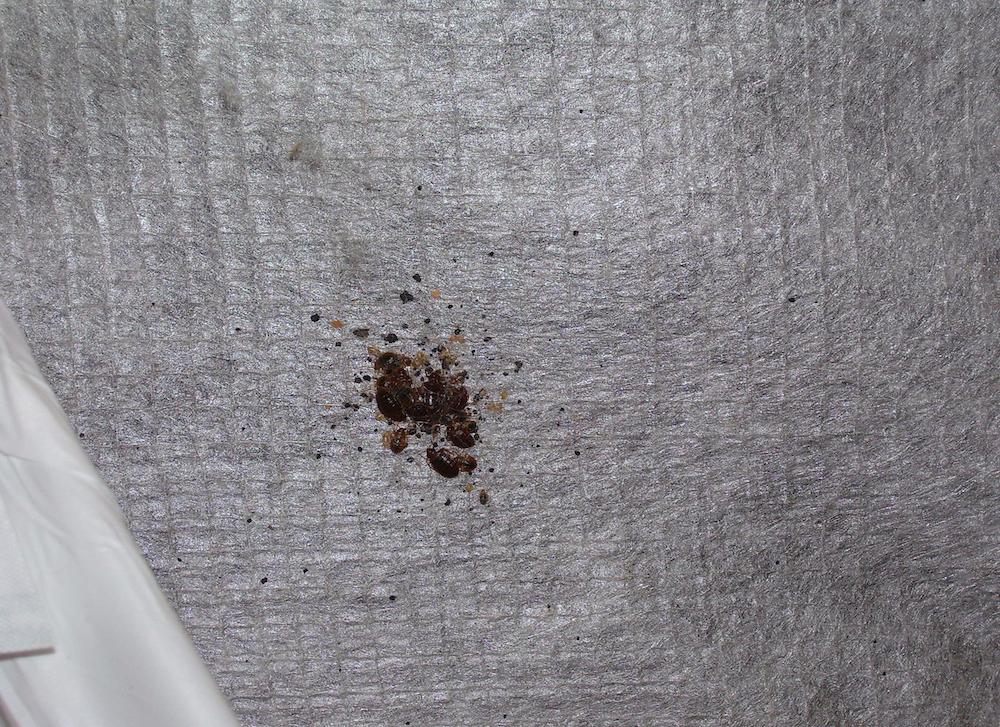
Credit: www.orkin.com
Initial Clues Of Bed Bug Presence
Unexplained itchy bites often signal bed bug infestations. These bites appear as small, red, and sometimes lined marks on the skin. They are commonly found on exposed areas like arms and shoulders. Multiple bites in a straight line or cluster suggest bed bugs, as they tend to feed multiple times.
Blood stains on sheets are another telltale sign. Tiny red or brown spots indicate bed bugs have been crushed or have been excreted after feeding. It is essential to inspect your mattress and bedding if you notice these signs.
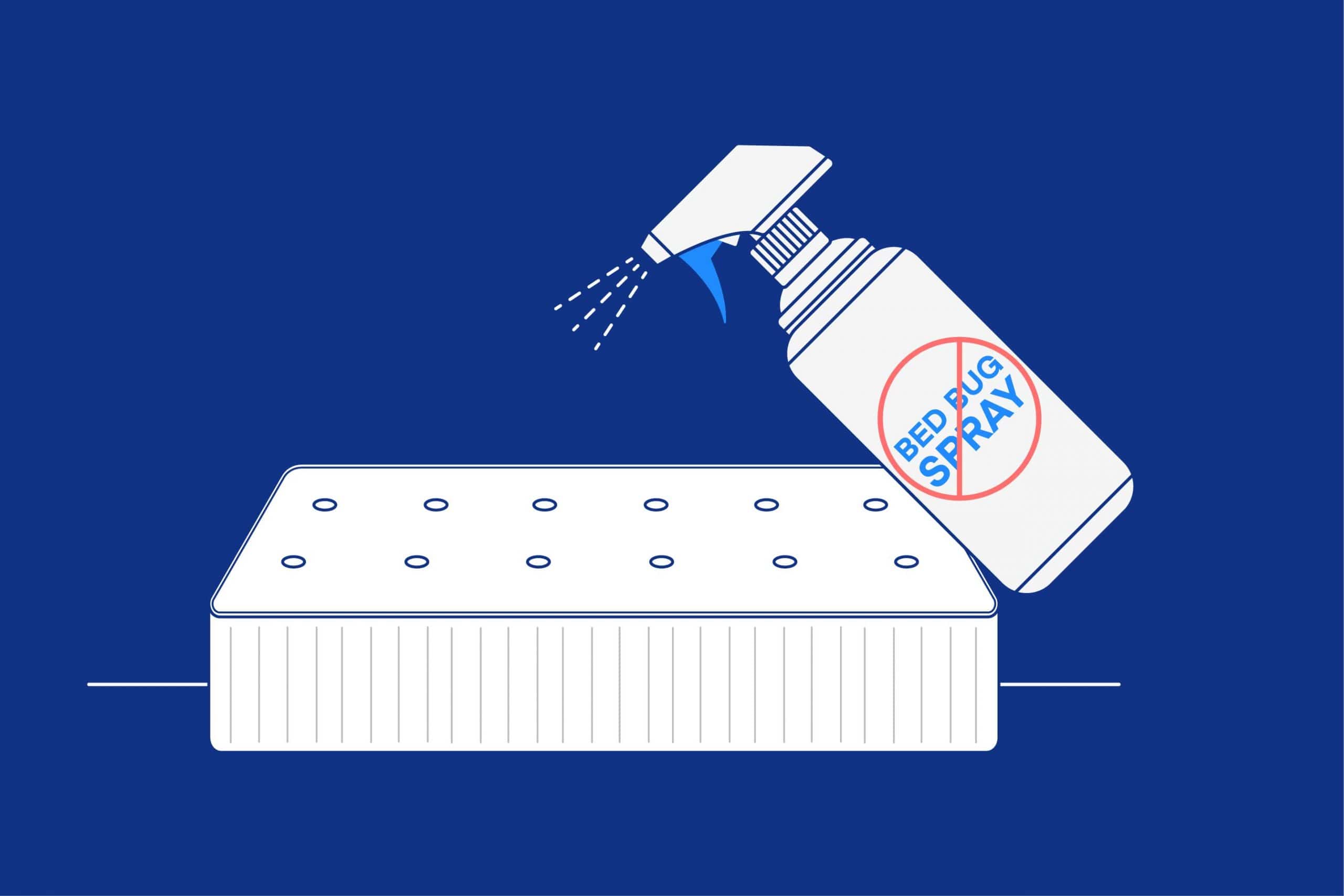
Credit: amerisleep.com
Physical Evidence Of Bed Bugs
Discovering live bed bugs can signal an infestation. These pests, often reddish-brown and the size of an apple seed, hide in mattress seams and crevices. Spotting them requires a thorough inspection, usually at night, as they are nocturnal creatures.
Shed exoskeletons, also known as cast skins, are another indicator of bed bugs. These tiny, translucent shells are left behind when bed bugs molt. Look for them in the same hidden areas where bugs might dwell. Using a flashlight can help illuminate these subtle signs of bed bugs.
Recognizing Bed Bug Feces
Spotting bed bug feces on your mattress can be alarming. These fecal stains often appear as characteristic black spots. They may resemble tiny ink dots or marker marks. Usually, these spots can be found in clusters. It’s crucial to inspect seams and crevices. The dark color results from digested blood. This is a telltale sign of a bed bug infestation. If you see such marks, consider a professional inspection.
Unmistakable Bed Bug Odor
One clear sign of bed bugs is a distinct odor. This smell is often musty and sweet. People describe it as rotten raspberries or moldy shoes. The stronger the smell, the bigger the infestation might be.
Bed Bug Nesting Areas
Bed bugs cleverly conceal themselves in several areas of a mattress. They prefer dark, hidden spots such as seams, tags, and crevices.
Inspect these areas thoroughly. Use a flashlight and a magnifying glass. Look for tiny, rust-colored stains, small black spots, or actual bugs.
These pests also hide in box springs, bed frames, and headboards. Don’t ignore surrounding furniture like nightstands and dressers. Check every nook for signs of infestation.
|
Furniture Item |
Hiding Spots |
|---|---|
|
Couches |
Under cushions, seams, and folds |
|
Chairs |
Joint areas, beneath covers |
|
Drawers |
Inside corners, under liners |

Credit: www.citymattress.com
Preventative Measures
Bed bugs are a common concern for many homeowners. Protective mattress covers act as a barrier. They prevent bed bugs from infiltrating your mattress. These covers are designed to be impenetrable by bed bugs.
Regular inspection routines are essential to catch infestations early. Check your mattress seams and crevices every month. Look for signs of bed bugs, such as small blood spots or shed skins. Use a magnifying glass and a flashlight for better visibility. Do not forget to examine the bed frame and headboard.
Early Intervention Strategies
Spotting bed bugs early is key to preventing a full-blown infestation. Check your mattress seams and tags for tiny blood spots or small, dark droppings. A sweet, musty odor can also indicate their presence. Immediate action is crucial once you notice these signs.
Consider professional help if DIY methods fail. Pest control experts use tools and techniques that are often more effective. They ensure that the problem is thoroughly addressed. It’s advisable to call them before the situation worsens.
For those preferring to handle the issue themselves, several DIY bed bug treatments exist. Washing bedding at high temperatures and vacuuming regularly can help. Additionally, using encasements for mattresses and pillows can prevent further infestations.
Post-extermination Monitoring
Post-Extermination Monitoring plays a crucial role in ensuring that bed bugs are truly gone. Regular checks of your mattress and bedroom are essential. Look for signs of activity, like small blood spots or shed skin. Bed bug traps near bed legs can also alert you to their presence. Mattress encasements prevent them from hiding in your bed. Professional inspections periodically can offer peace of mind.
-
Examine sheets for tiny bloodstains
-
Check the seams of mattresses for tiny black dots
-
Use protective covers to trap any remaining bugs
-
Place bed bug interceptors under bed posts
-
Stay alert for musty odors or unexplained bites
Remaining vigilant means a better chance of keeping your home bed bug-free. Your diligence is your best defense against a re-infestation.
Frequently Asked Questions
How To Tell If Bed Bugs Are In Your Mattress?
Check for small, reddish-brown bugs or tiny blood spots on your mattress. Examine seams for bug excrement or shed skins.
Do All Mattresses Have Bed Bugs?
No, not all mattresses have bed bugs; infestations depend on the environment and cleanliness, not the mattress itself. Regular inspections and maintenance can prevent bed bug issues.
How Do You 100% Know You Have Bed Bugs?
To definitively know you have bed bugs, look for physical signs: live insects, rusty stains from crushed bugs, dark spots of excrement, eggs, and shed skins on bedding or furniture.
How Do I Know If I Have Bed Bugs Or Mattress Mites?
To differentiate between bed bugs and mattress mites, look for small, reddish-brown bugs or tiny, translucent creatures, respectively. Check for tiny blood spots or shed skins on your mattress as indicators of bed bugs.
Conclusion
Identifying bed bugs in your mattress is crucial for a healthy sleep environment. Always check for signs like bites, stains, or live bugs. Regular inspections and professional help can prevent infestations. Remember, early detection is key to managing these pests effectively.
Stay vigilant to ensure your bedroom remains a bug-free zone.
