

Mattress protectors work by creating a barrier between your mattress and external factors. They shield against spills, dust mites, and allergens, prolonging the mattress’s life.
A mattress protector is an essential accessory for any bed, serving as the first line of defense to maintain the longevity and hygiene of your mattress. It’s an investment that safeguards against inevitable accidents and natural wear and tear.
By encasing your mattress in a protective layer, these covers not only preserve the mattress’s condition but also contribute to a cleaner sleep environment. They are typically made from water-resistant materials and are designed to be breathable, ensuring both comfort and protection. With a variety of options available, including hypoallergenic and cooling varieties, a mattress protector can also enhance your overall sleep experience while keeping your mattress looking and feeling new.
The Role Of Mattress Protectors
Mattress protectors serve as a shield for your mattress. They keep spills and stains away. This makes cleaning up messes easy and quick. Your mattress stays dry and clean.
Dust mites cause allergies for many people. A good mattress protector stops these tiny bugs. It blocks them from getting into the mattress. This means fewer sneezes and improved sleep.
Types Of Mattress Protectors
Mattress protectors shield bedding from spills, dust, and allergens. Materials vary widely, from cotton to polyester blends. Some features have waterproof layers like polyurethane or vinyl. These materials are crucial in preventing liquids from penetrating the mattress.
Fit and coverage options are diverse. Choices range from fitted sheet styles to encasements. Fitted protectors slip on easily, similar to a bottom sheet. Encasements envelop the entire mattress, offering maximum protection. They often have zipper closures for a snug fit.
| Material | Pros | Cons |
|---|---|---|
| Cotton | Soft, breathable | Less waterproof |
| Polyester | Stain-resistant | Can retain heat |
| Vinyl | Highly waterproof | Possible noise |
Benefits of Sleep Hygiene
Mattress protectors serve as a barrier against spills, dust, and allergens. They keep the mattress clean, leading to a hygienic sleep environment. Regular cleaning is simpler with a protector, as most are washable.
Using a protector significantly reduces wear and tear. This means your mattress can last longer than without one. It’s an investment to save money in the long run. Sleepers enjoy a fresh and comfortable bed for many years.
| Benefit | How It Helps |
|---|---|
| Hygiene | Blocks dirt and moisture |
| Durability | Prevents premature aging of materials |
| Cleanliness | Easy to remove and wash |
Credit: thebeddingmart.com
The Science Behind Protection
Waterproofing technologies in mattress protectors are essential for guarding against spills and stains. Materials like polyurethane and vinyl create a barrier that liquids cannot penetrate. These innovations are crucial for maintaining a clean sleep surface. Mattress protectors with this tech keep the underlying mattress dry and hygienic.
Breathability is equally important in a mattress protector. It ensures that air can circulate, which helps regulate temperature. Comfort isn’t sacrificed for protection. High-quality protectors offer both. They let the body breathe, preventing overheating during sleep. A balance of waterproofing and breathability contributes to a restful night’s sleep.
Installation And Maintenance
Installing a mattress protector is a straightforward task. Simply slip the protector over your mattress, much like a fitted sheet. Make sure it’s snug to prevent bunching or slipping. For hassle-free maintenance, most protectors are machine washable. Regular washing keeps your sleeping area clean and extends the life of your mattress. Always follow the care label for the best results. Dry on low heat to avoid shrinkage or damage to the waterproof layer.
Choosing The Right Protector
Choosing a mattress protector that enhances sleep is essential. Consider a protector’s material for optimal comfort. Some materials can increase warmth, while others promote cooling. Memory foam offers cushioning but may retain heat. In contrast, cotton breathes more, keeping sleepers cool.
Ensure the protector fits your mattress type. Deep pockets are necessary for thick mattresses. A snug fit prevents slipping and bunching, ensuring comfort throughout the night. Waterproof features are vital for blocking spills and stains. For allergy sufferers, hypoallergenic protectors keep dust mites and allergens at bay. Match your protector to your mattress to ensure a perfect fit and restful sleep.
Impact On Sleep Quality
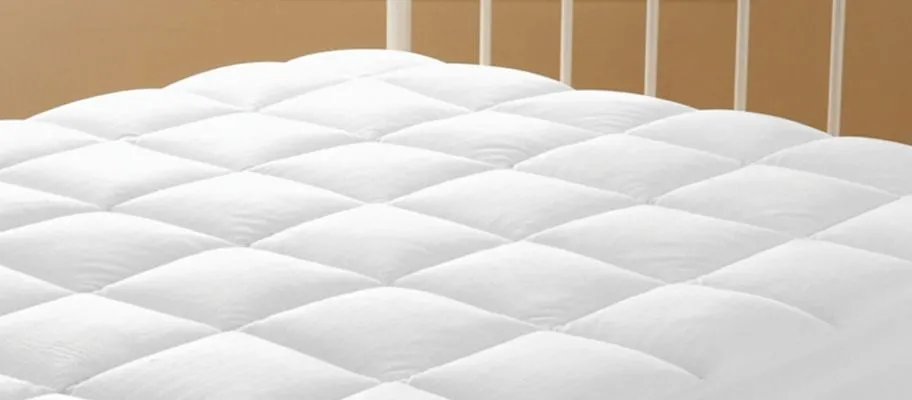
Mattress protectors are pivotal for maintaining sleep quality. They play a crucial role in ensuring a comfortable sleep temperature. Special fabrics with temperature regulation features work to dissipate heat. This keeps the sleeper cool throughout the night.
Additionally, these protectors minimize noise and improve the bed’s overall texture. A quiet sleep environment is key for uninterrupted rest. Smooth textures contribute to a serene sleep setting. Thus, protectors are essential for enhancing sleep comfort.
Credit: www.visionlinens.com
Addressing Common Myths
Mattress protectors serve as a barrier against spills and stains. Many people believe that waterproof protectors trap heat and hamper sleep. This is a misconception. Modern protectors use advanced materials that allow airflow. This maintains a comfortable sleeping temperature.
Some argue that waterproofing means a crinkly and noisy surface. Yet, high-quality protectors are soft and quiet. They preserve mattress integrity without sacrificing comfort. Misunderstandings about breathability are also widespread. A protector’s breathability is crucial for preventing moisture buildup. This helps to reduce allergens and maintain a hygienic sleep environment.
Frequently Asked Questions
How Effective Are Mattress Protectors?
Mattress protectors are highly effective in guarding against spills, dust mites, and allergens, extending the life of your mattress significantly. They offer a simple, affordable way to maintain mattress hygiene and comfort.
Should You Sleep With A Mattress Protector?
Yes, using a mattress protector is advisable. It helps safeguard your mattress from dust, spills, and allergens, extending its lifespan and ensuring a cleaner sleep environment.
Do You Put A Fitted Sheet Over A Mattress Protector?
Yes, you should place a fitted sheet over a mattress protector. This setup enhances comfort and keeps the protector clean.
Can Bed Bugs Get Through A Zippered Mattress Protector?
A zippered mattress protector can effectively block bed bugs if it’s designed to be bed bug-proof and properly sealed.
Conclusion
Understanding the mechanics behind mattress protectors is key to ensuring a long-lasting, hygienic sleep environment. These barriers shield against spills, dust mites, and allergens, prolonging your mattress’s life. Embracing the use of a mattress protector is a wise choice for any health-conscious, comfort-seeking individual aiming to invest smartly in their bedding.
