

Latex mattresses are derived from natural or synthetic rubber, offering bouncy support. Memory foam mattresses, made from viscoelastic foam, contour closely to the body for pressure relief.
Choosing the right mattress can significantly impact your sleep quality and overall health. Latex mattresses are known for their resilience and durability, often preferred by those who enjoy a firmer, more responsive sleeping surface. They are also naturally hypoallergenic and resistant to dust mites, making them a great choice for allergy sufferers.
On the other hand, memory foam provides excellent support by distributing body weight evenly, which helps to alleviate pressure points and can reduce pain. It also absorbs movement, which is beneficial for people who share a bed and don’t want to be disturbed by their partner’s movements. Deciding between these two types of mattresses will depend on your personal preference for mattress feel, your budget, and specific health needs.
Introduction To Mattress Materials
Understanding mattress materials is crucial for a good night’s sleep. Latex mattresses offer a bouncy and responsive feel. They are durable and eco-friendly, often made from natural or synthetic rubber. With temperature regulation properties, they stay cool throughout the night.
On the other hand, memory foam mattresses are known for pressure relief and body contouring. These mattresses adapt to body shape, providing excellent support and reducing motion transfer. Ideal for those who prefer a soft feel, they can retain more heat compared to latex.
History And Development
Latex mattresses have a rich history, tracing back to the early 20th century. First introduced in the 1930s, natural latex foam was a product of milk sap from rubber trees. This innovative material quickly gained popularity for its comfort and durability. The process of vulcanization, developed by Charles Goodyear, significantly enhanced latex’s properties, leading to improved mattress quality.
On the other hand, memory foam was developed by NASA in the mid-1960s. Aimed to improve the safety of aircraft cushions, the material featured energy-absorbing properties. Commercially available in the 1990s, memory foam mattresses revolutionized sleep technology. Its ability to contour to the body and reduce pressure points made it an instant hit with consumers seeking optimal sleep comfort.
Composition And Manufacturing
Latex mattresses are crafted using either natural or synthetic rubber. Natural latex is harvested from rubber tree sap. The sap is processed using either the Dunlop or Talalay methods. Dunlop results in a denser foam, while Talalay provides a softer feel.
Synthetic latex is a man-made material resembling natural latex. It’s created by chemical processes. Sometimes, manufacturers combine both types, resulting in a blend. This blend aims to offer the best of both worlds.
On the other hand, memory foam starts as a polyurethane base. Manufacturers add chemicals to increase density and viscosity. The material is known for its ability to contour the body. This contouring provides unique support and comfort.

Credit: www.springfit.com
Comfort And Support Comparison
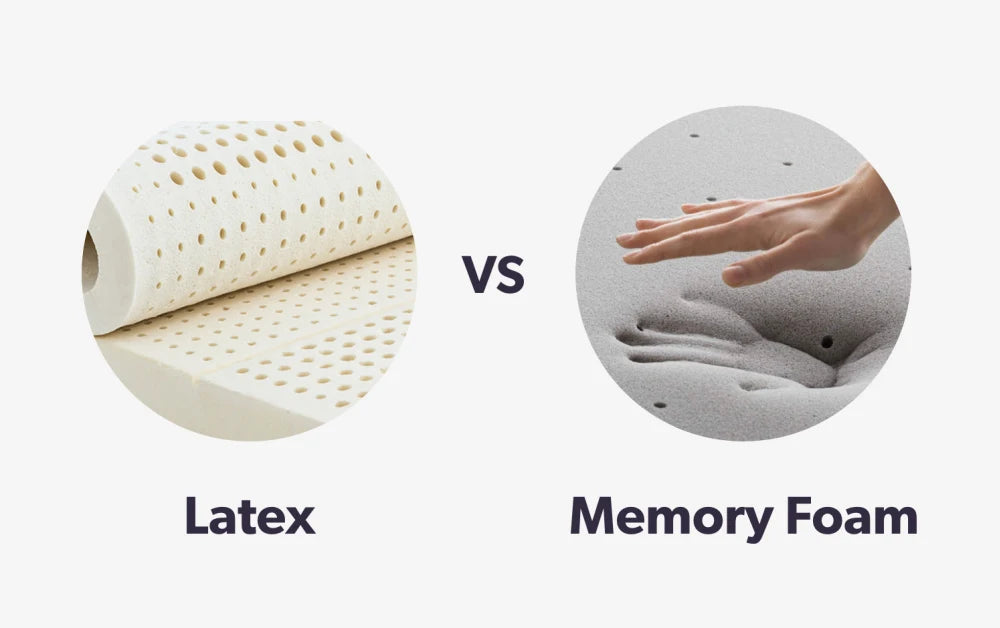
Pressure relief is a key factor for restful sleep. Latex mattresses are responsive, meaning they bounce back quickly to your movements. This quality helps in distributing body weight evenly, reducing pressure on common pain points. In contrast, memory foam mattresses contour closely to the body. They offer deep pressure relief by cradling the body’s curves. Memory foam’s slow response to pressure provides a “hug-like” feel, ideal for side sleepers.
Spinal alignment is crucial for preventing back pain. Latex mattresses support proper alignment with their buoyant nature. They keep the spine in a natural position, regardless of the sleeper’s weight. Memory foam, with its adaptive properties, also promotes alignment. It adjusts to the sleeper’s shape, maintaining the spine’s natural curve. This is particularly beneficial for those with chronic back pain.
Durability And Longevity
Latex mattresses often last longer than memory foam. They are resilient and maintain their shape for up to 20 years. These mattresses resist sagging and body impressions, making them a durable choice for nightly use.
On the other hand, memory foam mattresses have a shorter lifespan, typically lasting between 8 to 10 years. They are prone to soften and form body impressions over time, which can affect the support they provide.
Credit: mattresskingok.com
Temperature Regulation
Latex mattresses are well-known for their high breathability. This feature helps to keep the mattress cool during the night. The open cell structure in latex allows air to flow freely, which aids in effective temperature regulation.
On the other hand, memory foam mattresses tend to retain more heat. This is because memory foam has a denser composition. The material is designed to respond to body heat and pressure, which can lead to warmth buildup. People who get hot when sleeping might find this uncomfortable.
Hypoallergenic Properties
Latex mattresses are well-known for their natural hypoallergenic qualities. These mattresses inherently resist dust mites and mold, thanks to the antimicrobial properties of latex. This material is breathable, which helps in reducing the chances of allergens thriving.
On the other hand, memory foam mattresses may require additional treatment to achieve a similar level of resistance to allergens. Though some memory foam options include allergen-resistant covers, they may not be as inherently resistant to allergens as latex.
Cost Analysis
Investing in a latex mattress often means a higher initial cost, due to the quality and durability of the materials used. Latex tends to be pricier, as it’s sourced from rubber trees and involves a more complex manufacturing process. In contrast, memory foam mattresses are generally more affordable, making them a popular choice for budget-conscious shoppers. The cost-effectiveness of memory foam stems from its synthetic production, which allows for mass production and lower prices. Despite the initial investment difference, latex mattresses may offer better longevity, which could lead to cost savings over time.
Environmental Impact
Latex mattresses are hailed for their sustainability. Derived from the sap of rubber trees, these mattresses boast a biodegradable nature. Rubber trees also absorb carbon dioxide, which helps in reducing greenhouse gases. In contrast, memory foam is synthesized from petrochemicals, raising concerns about its environmental impact.
The production of memory foam is less eco-friendly due to the chemicals involved. It’s not typically biodegradable, which adds to landfill waste. On the brighter side, advancements in recycling processes are aiming to mitigate these issues. Plant-based memory foams are emerging as a greener alternative, striving to lessen the ecological footprint.
Maintenance And Care
Cleaning latex surfaces is straightforward. Use a mild detergent and gently wipe the area. Avoid soaking the mattress. Regular dusting can prevent dirt buildup. Spot cleaning is effective for stains.
Caring for memory foam requires attention. Never use harsh chemicals on the foam. A damp cloth should suffice for most spills. For a deeper clean, vacuum with a soft brush attachment. Allow the mattress to air dry completely before redressing it.
Sleeping Experience Personalization
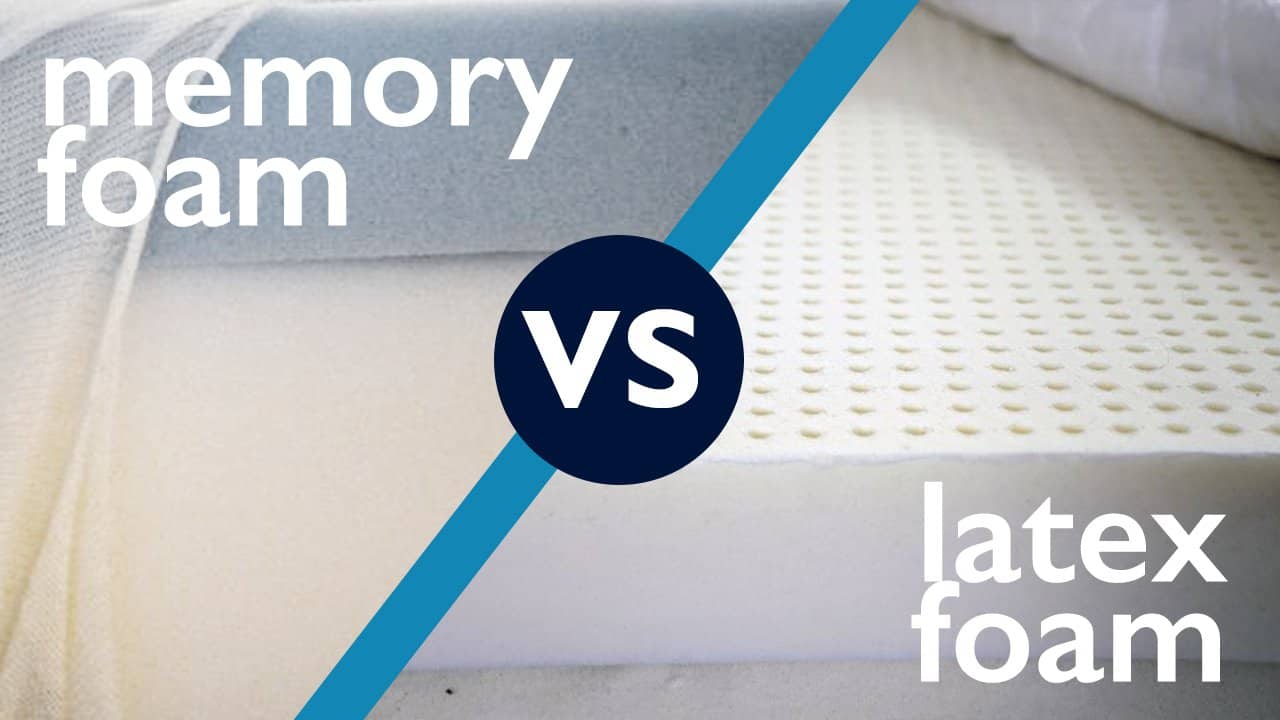
Latex mattresses offer remarkable customization for sleepers. Tailoring to individual preferences, they provide various firmness levels. Personalized comfort becomes a reality with latex layers that can be rearranged. This versatility ensures a unique sleeping experience for each user.
Memory foam mattresses, on the other hand, are known for their high adaptability. They contour precisely to the body, relieving pressure points and reducing motion transfer. This adaptability leads to tailored support that adjusts as you move, offering a hug-like feel throughout the night.
Credit: sleepopolis.com
Consumer Reviews And Feedback
Latex mattresses receive praise for their durability and eco-friendliness. Many users report that these mattresses offer excellent support and comfort. The material’s natural origin is a significant draw for consumers interested in environmentally sustainable products. A common highlight among reviews is the resilience of latex, which tends to hold its shape over time.
Conversely, memory foam mattresses are often celebrated for their pressure-relieving qualities. Users value the contouring effect that memory foam provides, citing improved sleep quality and reduced pain. However, some report that memory foam can retain heat, which could be a drawback for hot sleepers. User testimonials frequently mention the motion isolation features of memory foam, making it popular among couples.
Expert Recommendations
Professional advice on latex underscores its natural origin. Extracted from rubber trees, latex mattresses offer breathable options. They are durable and resistant to dust mites and mold. Those with allergies or seeking a greener product often prefer latex. It’s important to note that they can be firmer and more expensive than memory foam.
Choosing a memory foam mattress requires understanding its contouring abilities. These mattresses adapt to body shape, providing excellent support and pressure relief. They tend to retain heat, so cooling technologies are a significant aspect. The density of the foam affects longevity and comfort levels. Memory foam is often recommended for those needing joint relief and a softer sleeping surface.
Frequently Asked Questions
What Is Better, Latex Or Memory Foam Mattress?
Choosing between latex and memory foam mattresses depends on personal preference. Latex offers more bounce and cooling, while memory foam provides superior contouring and pressure relief.
Is Latex Or Memory Foam Better For the Back?
Memory foam is generally better for back support, as it contours to your body, providing targeted relief and promoting spinal alignment. Latex, though responsive and supportive, may not offer the same level of contouring. Choose memory foam for enhanced back support.
Which Lasts Longer, Memory Foam Or Latex?
Latex mattresses typically last longer than memory foam. They can endure up to 20 years, while memory foam usually lasts about 10 years. Latex’s durability makes it a superior long-term investment.
What Are The Disadvantages Of A Memory Foam Mattress?
Memory foam mattresses can retain heat, making them uncomfortably warm. They might also emit an initial odor and lack edge support. Over time, these mattresses can sag and may not be ideal for people desiring a firmer sleeping surface.
Conclusion
Choosing between latex and memory foam for your mattress is a personal decision that hinges on comfort preferences and health considerations. Both offer unique benefits, from the responsive support of latex to the contouring relief of memory foam. Consider your sleep habits and needs to make the best choice for restful nights and energized mornings.
