

To fix a wobbly office chair, first identify whether the issue is with the base, wheels, seat, or mechanism. Tighten all loose screws or bolts, and if necessary, replace damaged parts like the gas lift or casters.
Office chairs are essential to your daily work routine, playing a pivotal role in productivity and comfort. Unfortunately, a wobbly chair can disrupt this balance, leading to discomfort and distraction. Tackling this issue quickly is crucial to maintaining an efficient and comfortable workspace.
Whether it’s regular wear and tear or an isolated incident that’s caused the instability, addressing the problem doesn’t have to be complicated. With the right approach, you can easily restore your chair’s stability, ensuring both safety and comfort as you go about your work. Proper maintenance not only extends the life of your office chair but also provides a better working environment, emphasizing ergonomics and reliability.
Troubleshooting Common Causes Of Wobbliness
Examining the Chair Base: Casters and Wheels often reveal that wobbly office chairs stem from worn or damaged components. Begin by flipping the chair over and inspecting each caster for signs of breakage or obstruction. Ensure wheels rotate freely and that debris like hair, dust, and small objects haven’t lodged themselves in the wheel housing, hindering smooth movement. Replacing faulty casters is usually a simple and effective fix.
Inspecting the Seat: Screws and Adjustment Mechanisms requires a closer look at how the seat is attached to the chair base. Tighten any loose screws or bolts, checking areas such as the mechanism underneath the seat which allows for height adjustment and tilt. Over time, these can loosen from regular movement and should be secured to reduce wobbliness.
The Checking the Gas Lift Cylinder: Causes and Solutions step is essential, as the cylinder often wears out and loses its ability to hold weight steadily. Signs of a failing gas lift include sudden drops in height when sitting. To test, apply pressure to the seat without sitting and observe for smooth operation. If issues are noted, replacing the gas lift cylinder is typically the most reliable solution to regain stable support.
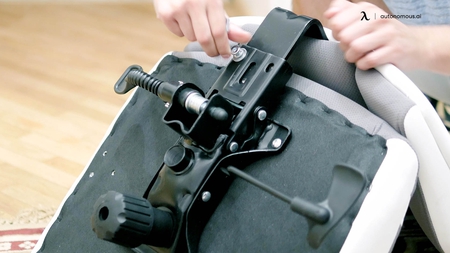
Credit: www.autonomous.ai
Step-by-step Repair Guides
Tightening loose components on an office chair often resolves wobbling. Begin by flipping the chair upside down to access the underside. Check for visible screws and bolts. Use an appropriate screwdriver or wrench to tighten them, ensuring they’re snug but not over-tightened which might strip the threading.
Changing damaged casters is crucial since they bear the chair’s weight. To replace them, pull the old casters out of the leg base. Sometimes, it requires a firm tug or twist. Once removed, insert the new casters by pushing them firmly into the socket until they click into place. Ensure the size and type of the caster match the chair’s specifications.
For a faulty gas lift cylinder, secure the chair in an upright position. Remove the base to expose the cylinder. Use a rubber mallet to tap the base of the cylinder until it loosens. Replace with a new cylinder by aligning it to the base and pressing down firmly. Test the chair’s height adjustment to ensure the proper function of the new cylinder.
Preventive Measures And Maintenance Tips
Conducting regular maintenance on your office chair is essential for ensuring stability. This includes tightening screws and bolts, which may become loose over time and cause wobbliness. It’s also important to routinely check the condition of chair components such as the wheels, base, and gas lift cylinder. Lubricating moving parts can help prevent wear and tear and maintain smooth operation.
Choosing the right chair plays a pivotal role in achieving long-term stability. Opt for chairs with a robust frame and a five-point base for improved balance and support. Additionally, selecting a chair designed for your weight and the appropriate usage frequency can significantly reduce instability and extend the chair’s lifespan.
There are instances where professional expertise is necessary. If persistent wobbliness occurs despite following maintenance tips, or if you encounter complex mechanical issues, seeking professional help is recommended. Experts can provide thorough inspections and repairs that might not be safely or effectively performed as DIY repairs.

Credit: www.nbcnews.com
Frequently Asked Questions On How To Fix A Wobbly Office Chair
How Do I Stop My Office Chair From Wobbling?
To fix a wobbling office chair, first, identify loose bolts and tighten them using an Allen wrench or screwdriver. Check the chair’s legs and wheels for damage; replace any faulty parts. Ensure the seat is securely attached to the base.
Regular maintenance prevents further wobbles.
How Do You Fix An Unbalanced Office Chair?
To fix an unbalanced office chair, first, check for loose screws or bolts and tighten them. Examine the wheels and base for damage and replace any faulty parts. Adjust the tension knob under the seat to correct tilting issues. Ensure the gas lift cylinder is securely attached.
How Can I Make My Office Chair More Stable?
To stabilize an office chair, tighten all screws and bolts. Ensure the casters fit snugly and replace any damaged ones. Check for a balanced seat and use a rubber mat to prevent slipping. Regular maintenance can help keep your chair stable.
What Causes A Chair To Wobble?
A chair wobbles due to uneven legs, loose fasteners, or an uneven floor. Regular wear and tear or incorrect assembly can also cause instability. Ensure all parts are tight and level for a steady chair.
Conclusion
Tackling a wobbly office chair is within your reach. With the steps provided, you can enjoy stability and comfort once more. Remember, regular maintenance keeps chair issues at bay. Share your success or seek advice in the comments if challenges arise.
Here’s to a more secure, squeak-free seat!
