

Air mattresses are constructed from polyvinyl chloride (PVC) or urethane plastic. They are then sealed with heat to ensure an airtight environment.
Firstly, understanding how manufacturers produce air mattresses becomes essential for consumers who prioritize comfort and durability. Secondly, these inflatable sleeping solutions offer a portable and space-saving option, perfectly suiting various situations, such as camping trips or hosting overnight guests. Furthermore, consumers appreciate air mattresses for their flexibility and the simple way they fold away for storage, showcasing their value in terms of convenience and practicality.”
Initially, the manufacturing process aims to produce a product that allows for quick inflation and deflation, while also possessing the strength to withstand weight and movement. Importantly, quality control plays a pivotal role in this process, actively ensuring that each mattress adheres to safety and comfort standards. Consequently, for individuals seeking a restful sleep experience, acknowledging the craftsmanship involved in creating air mattresses can significantly inform their purchasing decisions.”
The Rise Of Air Mattresses
Air mattresses have gained immense popularity in the modern world, primarily due to their convenience and portability. These features offer a practical solution for individuals facing space constraints. Furthermore, many people opt for air mattresses because of their ease of storage and their ability to serve as a space-saving alternative to traditional beds. Notably, these inflatable beds boast versatility, making them ideal for camping trips, accommodating unexpected guests, or even serving as a full-time bed.
The advantages air mattresses offer over traditional beds are numerous. Firstly, they can alleviate back pain through adjustable firmness, providing tailored support to the user. Secondly, their design makes them less prone to dust mites and allergens, which promotes a cleaner sleeping environment. Additionally, the ease with which users can move and set them up stands as a significant bonus. Consequently, for these reasons, their popularity in apartments and temporary living situations continues to soar.
Materials Essential For Air Mattress Production
Selecting high-quality PVC (Polyvinyl Chloride) is pivotal for air mattress durability, as it needs to withstand pressure and prevent leaks effectively. Firstly, the thickness of the PVC plays a crucial role; thicker options provide greater support and ensure a longer lifespan. Additionally, manufacturers frequently enhance the PVC by infusing it with anti-puncture and elasticity-boosting additives, aiming to improve the overall quality and resilience of the air mattresses.
On the flip side, selecting breathable textiles significantly impacts comfort levels. A comfortable air mattress typically features a soft, breathable top layer that actively keeps sleepers cool and prevents sweating. Moreover, employing materials like microfiber or cotton blends further enhances breathability. Additionally, textiles lined with a silky finish guarantee a smoother sleeping surface, offering an even more pleasant sleep experience.
- PVC Quality: Essential for durability and leak prevention.
- Thickness: Directly relates to support and lifespan.
- Textile Choice: Affects overall sleep comfort.
- Breathable Surface: Prevents heat buildup and sweat.
Design And Engineering
Air mattresses are designed with comfort and durability in mind. Initially, engineers create blueprints that serve as a detailed guide for the final product. Subsequently, they meticulously plan every aspect, including the size and the type of material used, ensuring that each detail contributes to the mattress’s overall quality and performance.
Following the blueprint phase, craftsmen then craft prototypes, bringing these designs to life for real-world testing. These prototypes undergo rigorous trials, aimed at ensuring they can withstand various weights and pressure points effectively. Indeed, this process is crucial for assessing the firmness and resilience of air mattresses, providing valuable insights into their performance and durability.
Feedback from users is extremely important. It informs the designers about what works and what doesn’t. They listen to comments and suggestions carefully. Modifications are applied to future models, enhancing a user’s sleeping experience. This iterative process is vital to perfect air mattress designs.
Cutting And Shaping The Components
Air mattresses require precise cuts and shapes. Precision machinery plays a key role in this process. These high-tech machines ensure every piece fits perfectly. Skilled workers oversee the machinery, ensuring accuracy. Quality checks happen at every step.
The quality control team uses strict guidelines. They check for defects and ensure durability. They also test the air retention capacities. Only the best products make it through. This assures customers get top-notch air mattresses.
Seamless Sealing Techniques
Air mattresses undergo a special process to ensure they are tough and airtight. Manufacturers use heat welding to bind the mattress sections together. This method melts the material at the seams, solidifying it to form a secure and durable bond.
The goal is a mattress that doesn’t leak. Proper welding creates a leak-free air mattress. Constant checks take place during production. These checks make sure the welds hold up well and that there are no tiny holes. Thus, ensuring you have a comfortable and uninterrupted sleep.
Credit: www.nytimes.com
Adding Features And Accessories
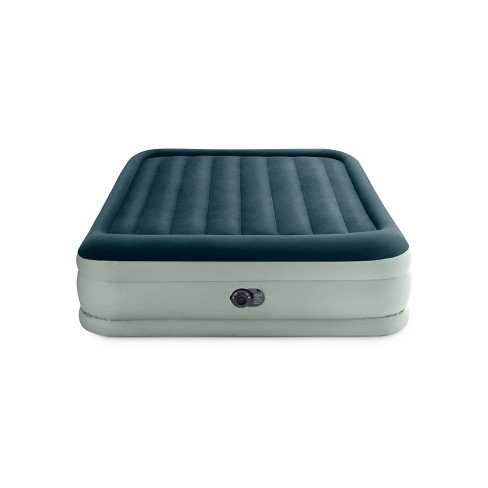
Modern air mattresses boast innovative pumps and valves. These upgrades make inflation and deflation quick and easy. With a simple push or twist, sleepers can adjust the air levels to their preference.
Customizable firmness levels cater to individual comfort needs. Some beds come with remote controls. Others use smart apps for adjustments. This means everyone can have their perfect sleep surface.
| Feature | Description |
|---|---|
| Smart Pumps | Automatically inflate or deflate to preset firmness |
| Adjustable Valves | Control airflow for personalized comfort |
Testing And Safety Protocols
Air mattress makers test each product to ensure it is safe and reliable. They use stress tests to see if the mattresses will last. The tests push the mattress hard to check its strength. This includes filling them with air and putting on a lot of weight. The goal is to make sure the mattress won’t pop or leak.
To meet safety standards, they compare the mattresses with rules made by experts. These rules help keep everyone safe. All air mattresses must pass these tests before they can be sold. This way, everyone can sleep well knowing their mattress is strong and won’t break easily.

Credit: www.af.mil
Packaging And Supply Chain
Air mattresses require thoughtful packaging for safety and sustainability. Manufacturers are turning to eco-friendly materials like recycled cardboard and biodegradable plastics. These materials protect the environment and reduce the carbon footprint. Products are then boxed and prepared for shipping.
Global distribution networks are key to delivering air mattresses worldwide. Companies ensure that efficient logistics partners handle their products. These partners must share a commitment to environmental responsibility. Sustainable practices in transportation help reduce emissions and preserve natural resources.
| Eco-friendly Packaging | Global Distribution |
|---|---|
| Recycled cardboard | Efficient logistics |
| Biodegradable plastics | Environmentally responsible partners |
| Lower carbon footprint | Reduced emissions |
Credit: www.target.com
Frequently Asked Questions For How Are Air Mattresses Made
What Materials Are Used In Air Mattresses?
Air mattresses are commonly made from PVC, rubber, or urethane. Some feature a flocked top layer for added comfort. They’re designed to be durable, puncture-resistant, and waterproof to provide a comfortable sleeping surface.
How Is The Air Mattress Inflation Process Designed?
Air mattresses have built-in pumps or external valves for inflation. The design is such that they can be filled with air in minutes. They are capable of maintaining air pressure throughout the night for a restful sleep experience.
What Makes An Air Mattress Comfortable?
The comfort of an air mattress lies in its air-filled chambers, which distribute weight evenly. The ability to adjust the air pressure allows for customized firmness. Flocking on the surface adds a soft, velvety feel.
Can Air Mattresses Be Recycled?
Most air mattresses are recyclable. However, it depends on the local recycling program and the materials used. PVC and rubber can often be recycled, reducing the environmental impact.
Conclusion
Unpacking the fabrication of air mattresses reveals a blend of design prowess and material innovation. This post has shed light on the intricate journey from raw materials to the final inflatable comfort we often take for granted. Remember, the next time you drift off atop an air mattress, there’s a world of science and precision behind your cozy slumber.
