

Glass dining tables offer a sleek, modern look and can make small spaces appear larger due to their transparency. They are durable when made with tempered glass, but can show fingerprints and scratches more easily.
Selecting the appropriate dining table sets the tone for any dining area, and glass dining tables have become a popular choice for those aiming for a modern, sophisticated look. Their reflective surface enhances the room by reflecting light across the space.
Glass dining tables not only create an illusion of more space but also exude a certain elegance that pairs well with various chair styles and decor. Despite their aesthetic appeal, they need regular maintenance to stay pristine. These tables are a statement piece, ideal for contemporary homes that value design and minimalism. When carefully constructed, a high-quality glass dining table can serve as a durable and timeless addition to your dining room.
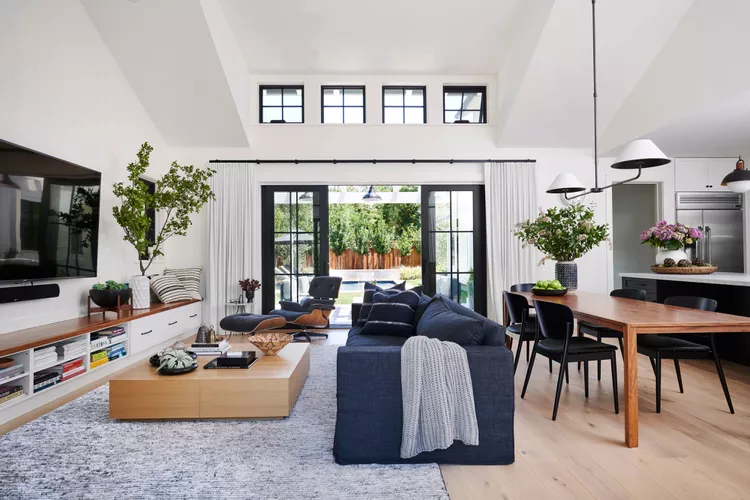
Credit: www.bhg.com
Introduction To Glass Dining Tables
Glass dining tables recently surged in popularity, establishing themselves as a modern staple in dining room furniture. Offering a unique aesthetic distinct from traditional materials like wood or metal, these glass tables can lighten up an entire room with their reflective surfaces. Their sleek design creates the illusion of more space, making them an excellent choice for smaller dining areas.
While glass is often seen as fragile, many glass dining tables are constructed with tempered safety glass, significantly stronger and more durable than regular glass. This glass type is engineered to endure daily use without easily scratching or breaking, thus ensuring longevity and preserving its appearance over time.
| Material | Pros | Cons |
|---|---|---|
| Glass | Modern aesthetics, create openness, easy-to-clean | Can show fingerprints, potential for shattering |
| Wood | Traditional, and durable, each piece is unique | Can require maintenance, more visually heavy |
| Metal | Sturdy, industrial look, long-lasting | Can be cold in appearance, prone to rust if not properly maintained |
Aesthetic Appeal Of Glass Dining Tables
Glass dining tables blend modern aesthetics with elegance seamlessly, creating a sophisticated focal point in dining spaces actively. They reflect light with their sleek surfaces, adding a bright, airy feel to rooms and emphasizing an ambiance of cleanliness and openness.
The versatility inherent in glass tables allows them to accommodate a diverse range of styling options. Whether aiming for a minimalist look or incorporating bold, colorful accents, these tables adapt to various designs without overwhelming the space. Their adaptability ensures they complement a wide array of interior themes, from the ultra-modern to the classically chic, proving themselves as a timeless choice for any home decor.
Practical Advantages Of Glass Tables
Glass dining tables amplify ambient light, fostering an airy atmosphere and creating the illusion of a more spacious room. The reflections of sunlight and artificial light on the glass surface enhance the brightness of the space, a feature especially advantageous in smaller dining areas.
Maintaining a sparkling table is easy with glass, as its surface is resistant to spills and stains. Most messes can be removed with a simple wipe of a cloth, ensuring ease of cleaning and maintenance without the necessity for special products.
Modern glass dining tables employ tempered glass, specifically designed for increased durability and strength. This glass is toughened to resist scratches and endure everyday use. Additionally, some tables are reinforced to be heat-resistant and shatterproof, providing diners with extra reassurance.
Functionality And Comfort
Glass dining tables add elegance and modernity to any dining room, appealing to those who appreciate aesthetics and contemporary design. Their inherent reflective quality creates a more open and airy feel, beneficial in smaller dining areas. Models that are compact or feature extendable options provide incredible flexibility, adapting to various space requirements.
When selecting a glass dining table, comfort considerations are crucial. The table’s height and the pairing of chairs are vital to ensure a comfortable dining experience. It’s important to choose a design that aligns with the ergonomics of diners, providing enough legroom and ease of movement. In multipurpose spaces, choosing glass tables with rounded edges enhances safety and supports versatile use, whether for dining, work, or casual gatherings.
Cost-effectiveness And Longevity
While the initial cost of glass dining tables might be higher than wood or metal options, they offer a modern look that can significantly enhance the aesthetic appeal of any dining space. Importantly, glass is a durable material that, with proper maintenance, can withstand the test of time, potentially making it a cost-effective choice in the long run.
The life expectancy of glass tables can match that of wood and metal, assuming they are made from tempered safety glass, known for its resistance to scratches and heat. Regarding value retention, glass dining tables maintain their allure and are often considered timeless pieces. In contrast, other materials might fluctuate in style or show wear more easily. To illustrate, here’s a comparative analysis in table format:
| Material | Initial Cost | Life Expectancy | Value Retention |
|---|---|---|---|
| Glass | Higher | Long | High |
| Wood | Variable | Long with maintenance | Medium |
| Metal | Lower | Very long | Low |
Ecological And Health Perspectives
Glass dining tables are often praised for their sleek appearance and modern style, but a significant benefit comes from their environmental sustainability. Being made from sand, glass is a naturally occurring material, which doesn’t deplete the earth’s resources the way metals or wood might. Moreover, glass can be recycled endless times without loss of quality, supporting a circular economy.
From a hygienic standpoint, glass tables excel due to their non-porous surfaces that resist stains and odors. Simple cleaning can eliminate bacteria and viruses, making glass a preferable choice for cleanliness-conscious individuals. Such qualities underscore the hygienic advantages of glass dining tables in a home.
On the other hand, safety is an area that requires attention. Glass, if not tempered or treated properly, can be prone to shattering, which can cause injury. Ensuring that the glass is tempered—a treatment that increases strength and in case of breakage, ensures it crumbles into small granular chunks rather than sharp jagged pieces—is essential for peace of mind. It’s important for consumers to ensure the glass is rated for safety and to follow any provided manufacturer guidelines to prevent accidents.
Frequently Asked Questions Of Are Glass Dining Tables Any Good
What Is The Disadvantage Of Glass Tables?
Glass tables can show fingerprints easily and are prone to scratches. They can also be heavy and risk shattering, posing a safety hazard.
Is It Good To Have a Glass Dining Table?
Glass dining tables offer a modern, sleek look and can create a sense of more space. They are easy to clean but can be prone to scratches and fingerprints. Consider your lifestyle and decor preferences before choosing.
Do Glass Dining Tables Scratch Easily?
Glass dining tables can scratch, but tempered glass options offer increased resistance. Proper care and maintenance reduce the risk of scratching. Use placemats and tablecloths to protect the surface.
Are Glass Dining Tables Hard To Clean?
Glass dining tables are not hard to clean. They require a simple wipe with a glass cleaner and a soft cloth to remove smudges and spills. Regular cleaning maintains their shine and transparency.
Conclusion
Summing up, glass dining tables offer a blend of elegance and functionality that can elevate any dining space. Their durability, ease of maintenance, and style variety make them a viable choice for many households. As you weigh the pros and cons, remember the allure of glass can completely transform your mealtime ambiance.
Choose wisely to reflect your personal taste and lifestyle needs.

