

You’ll know bed bugs are gone when you see no new bites, find no live insects, and spot no fresh fecal spots or shed skins. Consistent monitoring over several weeks without signs indicates elimination.
Detecting the successful eradication of bed bugs can be as elusive as the pests themselves. Bed bugs are masters of hiding, and their absence is not always a sign of their departure. Homeowners need to be vigilant in their search for evidence of these insects.
A thorough inspection includes examining bedding, furniture, and even small cracks in walls. Clear signs of an infestation’s end are an absence of bites on family members and no visual confirmation of live bed bugs. Ensuring cleanliness, reducing clutter, and possibly employing professional pest control services can be effective strategies in maintaining a bed bug-free environment. Trust the absence of fresh signs over a prolonged period to confirm that bed bugs are truly gone.
Credit: www.homeserve.com
Introduction To Bed Bug Infestations
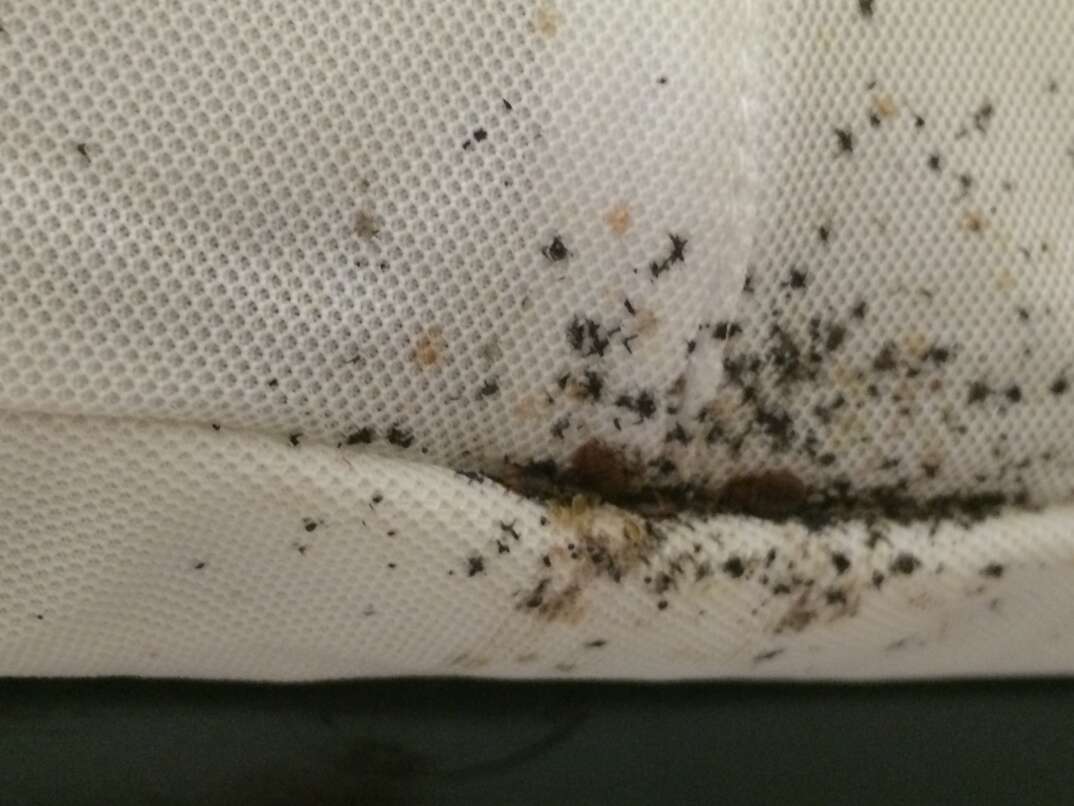
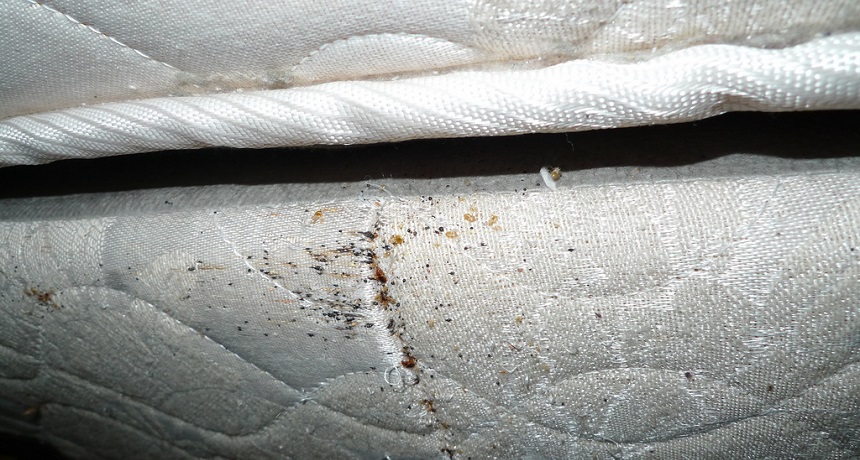
Identifying bed bug infestations requires keen observation. Live bugs, rust-colored stains on bedding, and distinctive bites on the skin are telltale signs. One may also find exoskeletons or eggs around the bed area. Noticing a sweet, musty odor? This could indicate an active infestation.
Confirming the elimination of these pests poses a challenge. Continuous monitoring is essential after treatment. Look for new signs of activity over the weeks. No fresh bites or sightings? This may suggest success.
| Sign | Description |
|---|---|
| Bites | Small, red, and often in a line |
| Stains | Rust-colored marks on sheets |
| Odor | Sweet, musty smell |
Credit: www.snexplores.org
Life Cycle Of Bed Bugs
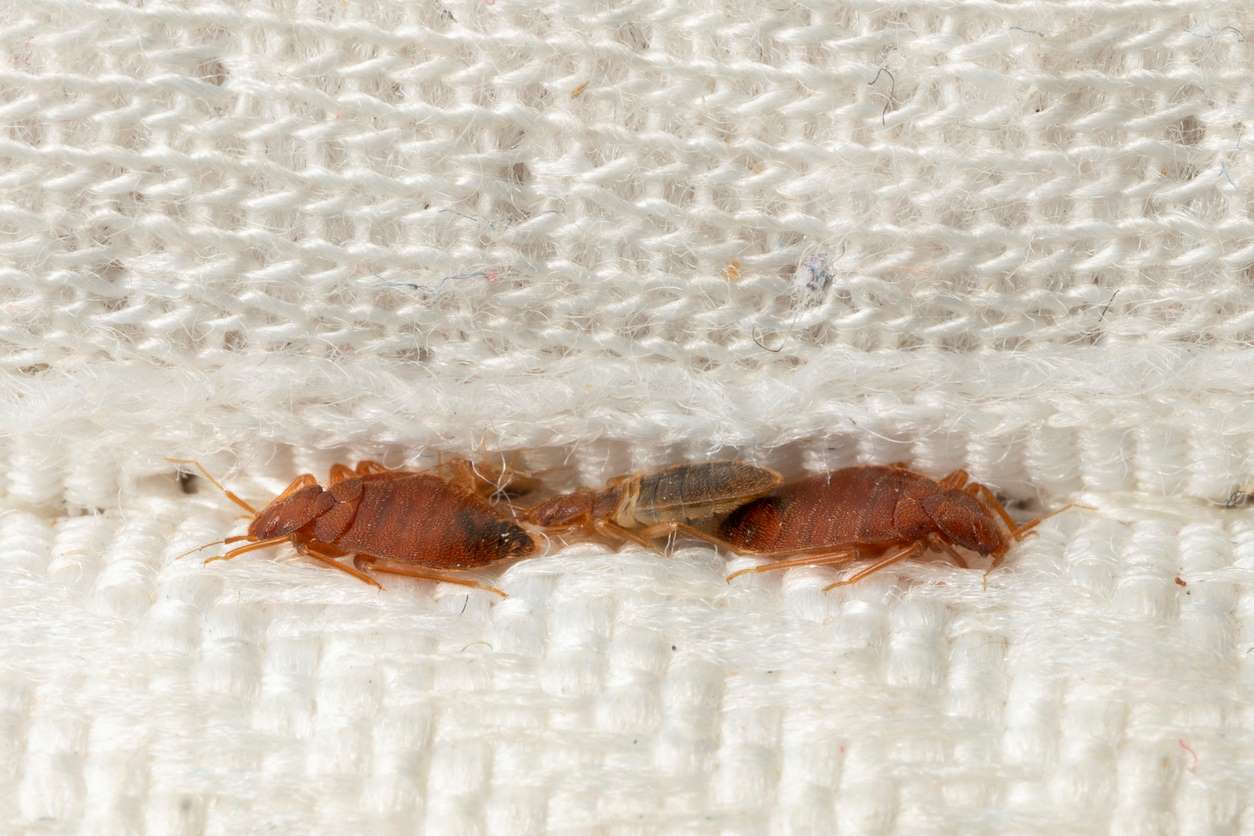
Bed bugs have a well-defined life cycle with multiple stages. From tiny eggs, they hatch into nymphs, resembling miniature adults. These nymphs pass through five growth stages, shedding their skin each time.
With each stage, they require a blood meal to progress. Adult bed bugs can lay up to five eggs daily, leading to rapid population growth. This reproductive cycle can produce large infestations in a short time.
| Stage | Duration |
|---|---|
| Egg | 1-2 weeks |
| Nymph (5 stages) | 5-8 weeks |
| Adult | Several months |
Controlling the environment is key to ending their lifecycle. It ensures the eradication of bed bugs.
Initial Treatment Strategies
Bed bugs are tough to eliminate. Professionals use heat treatment and chemical sprays. These methods are effective but can be pricey.
For a cheaper solution, try DIY methods. Use steam cleaners, diatomaceous earth, and bed bug sprays. Regularly wash and heat-dry your sheets and clothes.
Post-treatment Observations
Determining the absence of bed bugs post-treatment involves careful observation. Start by placing bed bug traps near your bed. These traps should remain empty if the pests are truly gone. Regularly check for new bites on your skin. No new bites usually mean success. Inspect your bedding and mattress seams for live bugs or eggs. Not finding any is a good sign. Also, look out for unexplained stains on sheets, which could be bug droppings. Lack of these signs typically indicates a successful treatment.
Stay alert for rustling sounds at night. These sounds may signal bed bug activity. Musty odors can also hint at an infestation. A clear reduction in these signs can mean the bed bugs are gone. Ensure to maintain a clean and clutter-free environment to prevent re-infestation.
Absence Of Bites
Bed bug infestations often cause distinctive bite marks on the skin. Noticing a decrease in these marks may indicate a reduction in bed bug activity. It’s essential to monitor for several weeks as bites can appear days after being bitten. The consistent absence of new bites over a period can be a good sign that the bed bugs may be gone.
People react differently to bed bug bites. Some may not show any symptoms, while others may have delayed reactions. Therefore, bite marks alone are not a reliable indicator of bed bug presence. Professional inspections and monitoring are recommended to confirm the absence of bed bugs.
Visual Inspections
Bed bugs are tiny, but their signs are visible with careful inspection. Look for small, rust-colored stains on mattress seams and furniture. These stains could be bed bug excrement. Also, tiny eggshells or shed skins in the crevices of furniture indicate their presence.
Use a magnifying glass and flashlight to spot these signs. Check the corners and hidden areas as bed bugs prefer dark, hidden spaces. Live bed bugs moving around are a clear sign. They are brown and about the size of an apple seed.
| Tool | Use |
|---|---|
| Magnifying glass | Spot tiny signs of bed bugs |
| Flashlight | Illuminate dark corners |
| White sheet | Lay on furniture to catch bed bugs |
Confirming With Canine Detection
Bed bug-sniffing dogs offer a specialized method for detecting these pests. Trained canines boast an impressive accuracy rate of 97%, significantly higher than human detection capabilities. Expert handlers work with these dogs to ensure thorough inspections.
The primary advantage of using canines is their swift identification of infestations. It allows for prompt treatment, minimizing the spread of bed bugs. Yet, canine inspections can be costlier than traditional methods. Also, false positives may occur, leading to unnecessary treatments.
Despite the cost, many prefer canine detection for its non-invasive nature. Dogs quickly scan a room without moving furniture or bedding. This method is discreet, causing minimal disruption to households or hotel operations.
Long-term Vigilance
Maintaining a bed bug-free environment demands consistent effort. After treating an infestation, adopt regular cleaning routines. These include vacuuming frequently and inspecting sleeping areas thoroughly.
Seal cracks in walls and spaces around baseboards to deny bugs’ hiding spots. Use protective covers for mattresses and pillows to prevent re-infestation.
Bed bugs are tricky to completely eradicate. Confirm their absence after several weeks of no new bites. Continuous monitoring is crucial for ensuring they are truly gone.
Secondary Confirmation Methods
Bed bug interceptors offer a clear sign of infestation levels. Place these devices under the bed legs. They trap bed bugs, aiding in assessing the situation. Regularly check the interceptors for trapped insects.
Several bugs or continuous capture suggest an active problem. Seeing fewer bugs over time often indicates successful treatment. A consistent absence of bed bugs may mean they have been eradicated. Yet, remain vigilant for weeks, as bed bugs can reemerge.
Consult with professionals if uncertain about the results. They can provide expert interpretation. Rely on their advice for further action. This ensures a thorough and informed approach to bed bug management.
Common Misconceptions
Many people mistake the lack of bites or sightings as a clear sign. Bed bugs can hide for weeks, even months, without feeding. Assuming they are gone could lead to a rude awakening. It’s crucial to remain vigilant and continue monitoring even when it seems they have disappeared.
Bed bugs are masters of evasion, making them particularly hard to fully eradicate. They can survive in dormant states, undetected. Professional assessments are often needed to confirm their absence.
Professional Clearance
Expert approval is based on strict guidelines to make sure bed bugs are fully removed.To begin with, experts conduct a thorough inspection after the treatment. During this stage, they search carefully for any signs of live bed bugs or eggs. Ideally, no new bites or sightings of bed bugs should occur. Furthermore, mattresses, furniture, and crevices are checked meticulously. To aid in the inspection, pest control professionals often use tools like magnifying glasses or detection canines.
Moreover, continuous monitoring is essential, as bed bugs can remain hidden for extended periods. In addition, trained dogs can sniff out any remaining bugs that might otherwise go unnoticed. As a precaution, a series of inspections over several weeks may be necessary. Only then, after multiple clear inspections, can a professional declare an all-clear. Finally, clients receive a detailed report of the findings. Typically, the absence of bed bugs for 30 to 60 days is considered a sign of successful treatment.
Credit: www.cleggs.com
Frequently Asked Questions
How Will I Know If I Got Rid Of Bed Bugs?
To determine if bed bugs are gone, monitor for bites, signs of live bugs, or new fecal spots over several weeks. No new signs typically indicate successful eradication.
How Do You Know If Bedbugs Are Dead?
To determine if bedbugs are dead, check for immobility and a lack of response when you touch them. Dead bedbugs remain flattened and do not move when disturbed.
Do Bed Bugs Ever Completely Go Away?
Bed bugs can be eliminated with professional treatment and diligent cleaning, but re-infestation is possible without ongoing prevention measures.
How To Make Sure Bed Bugs Are Gone?
To ensure bed bugs are gone, monitor for bites, check bedding regularly, and use bed bug detectors. Maintain cleanliness, and consider professional pest control if necessary.
Conclusion
Determining the absence of bed bugs can be challenging, yet vital for peace of mind. Watch for signs of bites, sightings, and residue. Consistent monitoring and professional evaluations are key. Trust your instincts and stay vigilant to ensure these pests are truly a thing of the past.
Rest easy, your due diligence pays off.

