

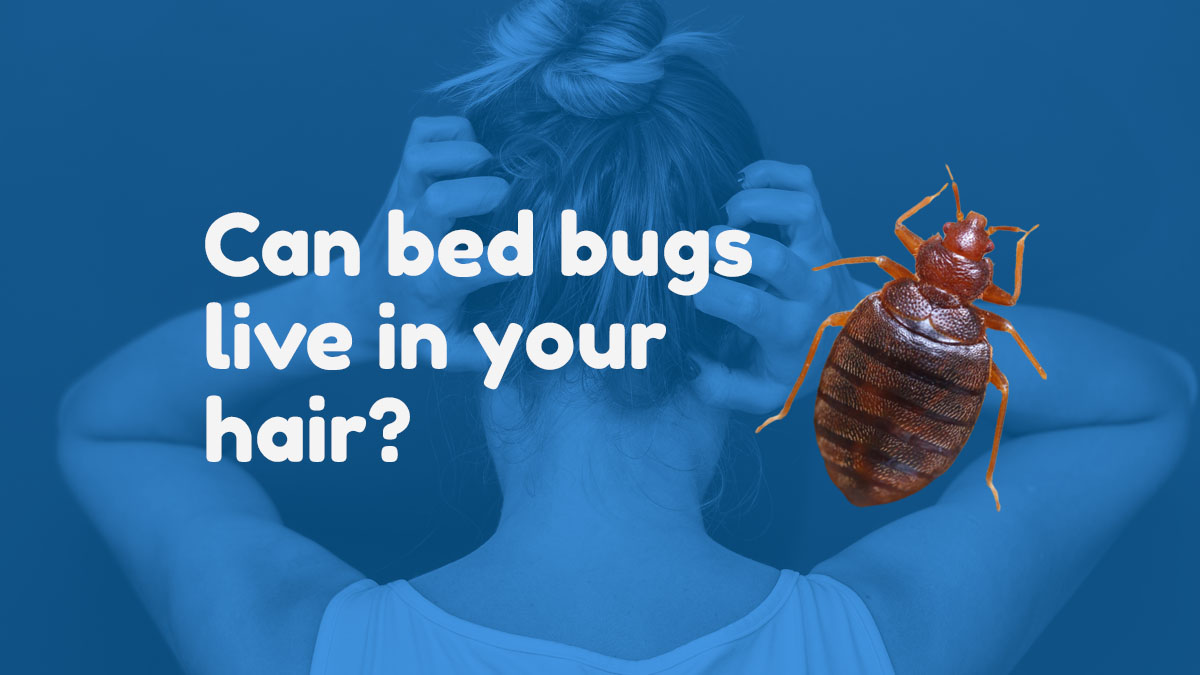
Bed bug presence in hair is rare, but persistent itching and small, red bumps on the scalp may indicate infestation. To detect bed bugs, closely examine your scalp and hair for tiny insects or eggs.
Dealing with pests can be a distressing experience, particularly when it comes to bed bugs. These elusive critters are best known for their stealthy habitation in mattresses and furniture, causing discomfort and unease in homes. While they primarily hide in beds and other furniture, a common question arises about their ability to infest our hair.
Understanding the signs and taking prompt action is crucial in ensuring these pests don’t become a larger issue. The thought of bed bugs alone can make your skin crawl, and the possibility of them lurking in your hair is even more unsettling. Our introduction will delve into the indicators of bed bugs in your hair and guide how to address this concern effectively.
The Bed Bug Menace
Bed bugs are small, nocturnal insects that rely on the blood of humans and animals. Recognizable by their reddish-brown color and oval shape, they can cause a variety of issues. Spotting these pests can be challenging, as they often hide during the day.
These critters commonly reside in mattresses, bed frames, and box springs. Yet, they can migrate to unexpected places, including hair. The idea of bed bugs living in hair may sound alarming. It is important to be vigilant for signs of their presence.
Symptoms such as itching or red welts on the scalp could indicate an infestation. Finding small, pepper-like specks near where you sleep or on your pillow is another sign.
| Signs | Description |
|---|---|
| Itchy Scalp | Unexplained itching or irritation. |
| Red Welts | Small bumps or bites on the scalp. |
| Specks on Pillow | Tiny black or brown spots on bedding. |

Credit: www.abchomeandcommercial.com
Bed Bugs Vs. Other Pests
Identifying bed bugs can be tricky. They are small, reddish-brown insects, often mistaken for fleas or ticks. Bed bugs have flat, oval-shaped bodies and do not jump or fly. Distinguishing these pests is crucial for effective treatment.
Common misconceptions include the belief that bed bugs live only in beds. They can be found in various places, including upholstery, luggage, and even hair. Unlike lice, bed bugs are not known to reside in humans long-term. However, they may hide and lay eggs in their hair temporarily.
Behavioral Patterns Of Bed Bugs
Bed bugs prefer to hide close to where people sleep. They are attracted to warmth and carbon dioxide. Bed bugs are not typically found in hair. This is because they prefer a cooler environment. Their main habitat includes mattresses, bed frames, and furniture cracks.
The feeding habits of bed bugs reveal that they mostly feed at night. Human blood is their choice of food. They feed for about 5-10 minutes and then hide. It is rare to find them in hair as they return to their hiding spots after feeding.
Signs Of Bed Bugs In Your Hair
Bed bugs often hide in bedding, but can they live in your hair? Spotting visible insects may be challenging, as bed bugs are adept at concealment. Yet, certain signs might indicate their presence.
Look for tiny, reddish-brown bugs, similar to apple seeds. Bite marks on the scalp or neck suggest bed bug activity. These bites often cause itching and discomfort.
Scratching the itchy areas can lead to more irritation. A magnifying glass helps in examining your hair closely. If you find any insects or experience persistent itching, consult a professional for proper treatment.
Physical Evidence On Scalp And Hair
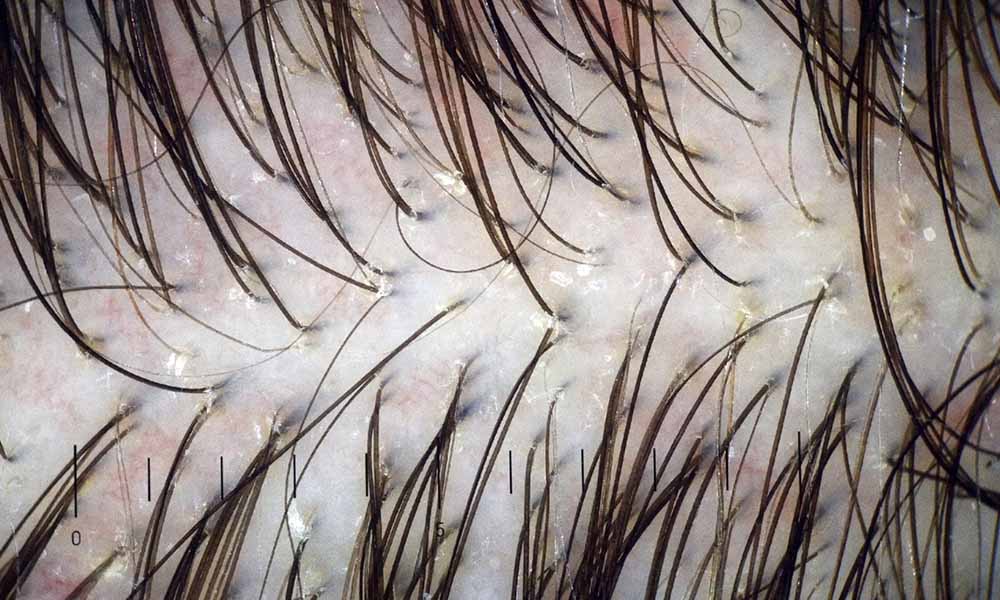
Bed bugs often leave physical evidence on your scalp and hair. Eggs and shells may appear as tiny, pale, and oval shapes. They stick to individual strands near the scalp. These signs are sometimes hard to spot.
Fecal spots look like small, dark specks. They might cling to hair or rest on the scalp. A magnifying glass helps to see them better. Regular checks of your scalp are important. It helps in the early detection of bed bugs.
Symptoms And Health Implications
Bed bugs lurking in hair can lead to itchy welts. These pests might trigger allergic reactions. Symptoms vary widely among individuals. Some may experience intense itching. Others could develop annoying rashes. Noticing these signs early is crucial for prompt treatment.
Psychological effects are also a concern. Enduring a bed bug infestation can cause stress and anxiety. Sleep disturbances often occur. This might lead to insomnia or a fear of the pests. Recognizing these psychological impacts is important. Seeking professional help is advised if distress persists.
Preventive Measures
Regular inspection of your living spaces is essential. Check your bedding, furniture, and any cracks in the walls. Use a magnifying glass and flashlight for a more thorough examination.
Maintaining hygiene can greatly reduce the risk of bed bugs. Wash your bedding, curtains, and clothing in hot water regularly. Vacuum your home frequently to remove any pests or eggs.
Credit: txbedbugexperts.com
Professional Removal And Self-treatment
Bed bugs in your hair can be a nightmare. Itching and redness often alert you. Seeing small bugs or eggs confirms their presence. Professionals use safe, effective methods to remove them. They inspect and treat your home to prevent future infestations.
For home remedies, washing hair with tea tree oil shampoo may help. A thorough combing with a fine-toothed comb is essential. Cleaning all bed linens at high temperatures is effective too. Always check and clean all areas where bed bugs can hide.
Post-infestation Care
Cleaning and monitoring are crucial after a bed bug infestation. Start by washing all bedding, curtains, and clothes in hot water. This step kills any lingering bed bugs. Use a high-heat setting on your dryer for at least 30 minutes. Vacuum your home thoroughly, including mattresses, furniture, and carpets. After vacuuming, dispose of the vacuum bag immediately in a sealed plastic bag. Continue to inspect sleeping areas regularly for signs of bed bugs to ensure they are gone.
To prevent re-infestation, seal cracks in walls and floors. Use protective covers that encase mattresses and box springs, which can help detect bed bugs early. Be cautious with second-hand furniture and inspect it before bringing it into your home. Regularly check areas where pets sleep, as bed bugs can hitch a ride on animals, too.
Credit: txbedbugexperts.com
Frequently Asked Questions
How To Get Rid Of Bed Bugs In Your Hair?
To eliminate bed bugs from hair, shower using hot water and shampoo thoroughly. Comb out any remaining bugs using a fine-toothed comb. Launder all bedding and clothing at high temperatures, and consider seeking professional pest control if infestations persist.
Where Do Bed Bugs Hide On Your Body?
Bed bugs typically hide in clothing or luggage, not on the human body. They prefer dark, secluded spots when not feeding.
Can You Feel Bed Bugs Crawling In Your Hair?
Bed bugs are unlikely to infest your hair, as they prefer hiding in mattresses and furniture. You might feel them crawl occasionally, but it’s rare.
What Kills Bugs In Your Hair?
To eliminate bugs in your hair, use medicated shampoos specifically designed to target head lice and other pests. Regular combing with a fine-toothed nit comb also helps remove them effectively.
Conclusion
Dealing with bed bugs can be distressing, particularly when they invade personal spaces like your hair. Remember, early detection is key to preventing a full-blown infestation. Stay vigilant for signs like itching, red bumps, or actual bugs. Consult a professional if you suspect these unwelcome guests.
Addressing the issue promptly ensures your home and hair remain bed bug-free.

