

Wash your mattress protector every two to four weeks. Adjust the frequency based on spills and personal hygiene habits.
A mattress protector is your mattress’s first line of defense against spills, dust, and allergens. It’s essential to keep this protective layer clean to ensure a healthy sleeping environment. Regular washing not only maintains the cleanliness of your bed but also extends the life of your mattress protector.
Given that we spend about one-third of our lives in bed, maintaining a fresh and hygienic sleep surface is crucial. An unwashed mattress protector can harbor sweat, oils, and skin flakes, which can attract dust mites and other unwelcome guests. By keeping your protector laundered and in good condition, you contribute to the overall wellness of your household and ensure restful, clean sleep. Remember, a clean bed is integral to good sleep hygiene and overall health.
Importance Of Mattress Protectors
Mattress protectors play a pivotal role in sleep hygiene. They act as a defensive layer for your mattress, safeguarding against spills and stains. This barrier extends the life of your mattress significantly.
Not only do they keep the mattress fresh, but mattress protectors also block dust mites and allergens. Such prevention is crucial for those with allergies or asthma. A clean sleeping environment is key to good health.
Regular washing of mattress protectors is essential. It ensures the removal of accumulated sweat, oils, and skin flakes. This routine maintains a clean and allergen-free bed.
Factors Influencing Washing Frequency
The washing frequency of a mattress protector varies based on several factors. Protector types include waterproof, quilted, or cooling designs. Each has unique washing needs. Waterproof protectors require less frequent laundering, while quilted ones may need more.
Your hygiene plays a significant role. Night sweats or skin conditions might demand more frequent washing. It’s essential to maintain a clean sleeping environment.
Environmental aspects also influence the decision. High humidity can lead to mold, necessitating regular cleaning. Dusty or polluted areas may require you to wash the protector more often to remove allergens.
Signs It’s Time To Wash Your Mattress Protector
Visible stains and spills on your mattress protector are clear indicators. It’s essential to wash the protector to maintain hygiene. Spills can seep through, harboring bacteria and odors. Regular washing is crucial.
Odors and discoloration often suggest mildew or mold. A clean protector should have no unpleasant smells. Wash it promptly to prevent health issues. Keep your sleeping area fresh and clean.
Allergy symptoms, such as sneezing or itching, can escalate. Dust mites and allergens thrive in dirty bedding. A washed protector lessens these irritants. Ensure a healthy sleep environment with routine cleaning.
Recommended Washing Frequency
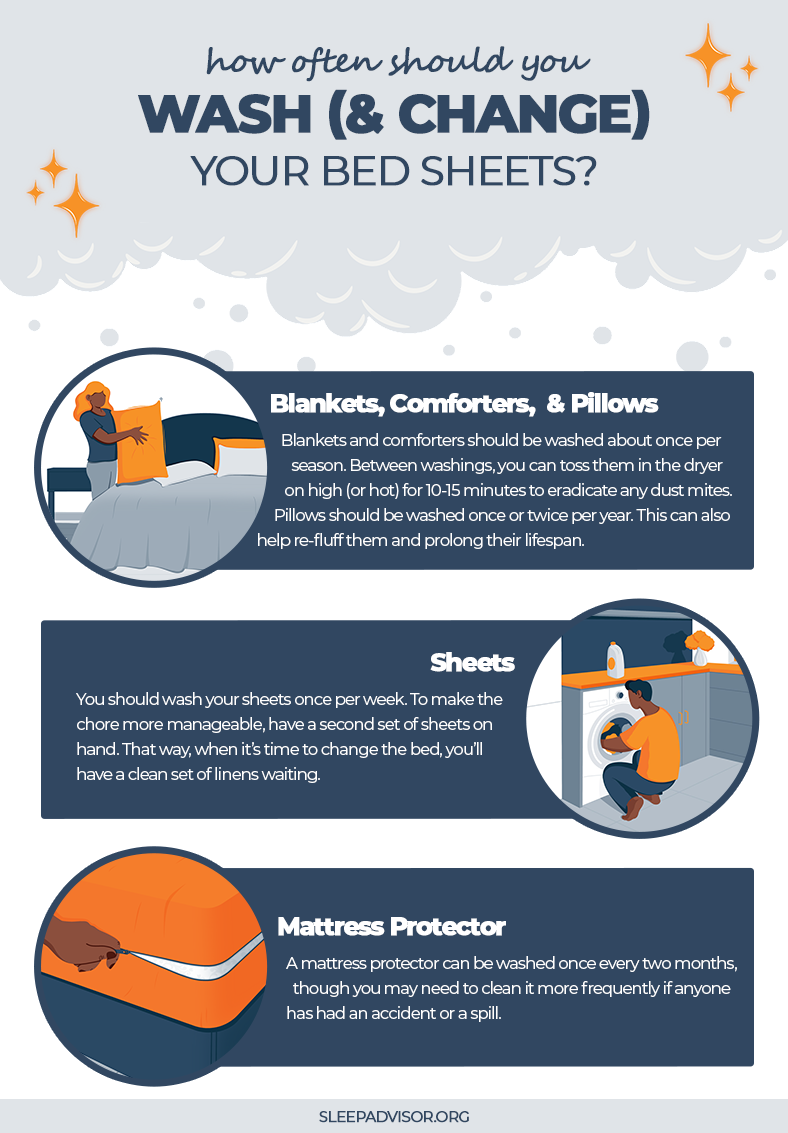
Mattress protectors need regular washing to maintain hygiene. Aim to wash your protector every two months. This keeps dust mites and allergens at bay.
Special circumstances may demand more frequent washes. If you have allergies, consider washing monthly. Accidents like spills or if pets sleep on the bed also require immediate washing.
Proper Washing Techniques
Machine washing is often the best method for mattress protectors. It’s effective and convenient. Use a gentle cycle with warm water to prevent damage. Hand washing is an option for protectors who require extra care. Always check the label instructions before cleaning.
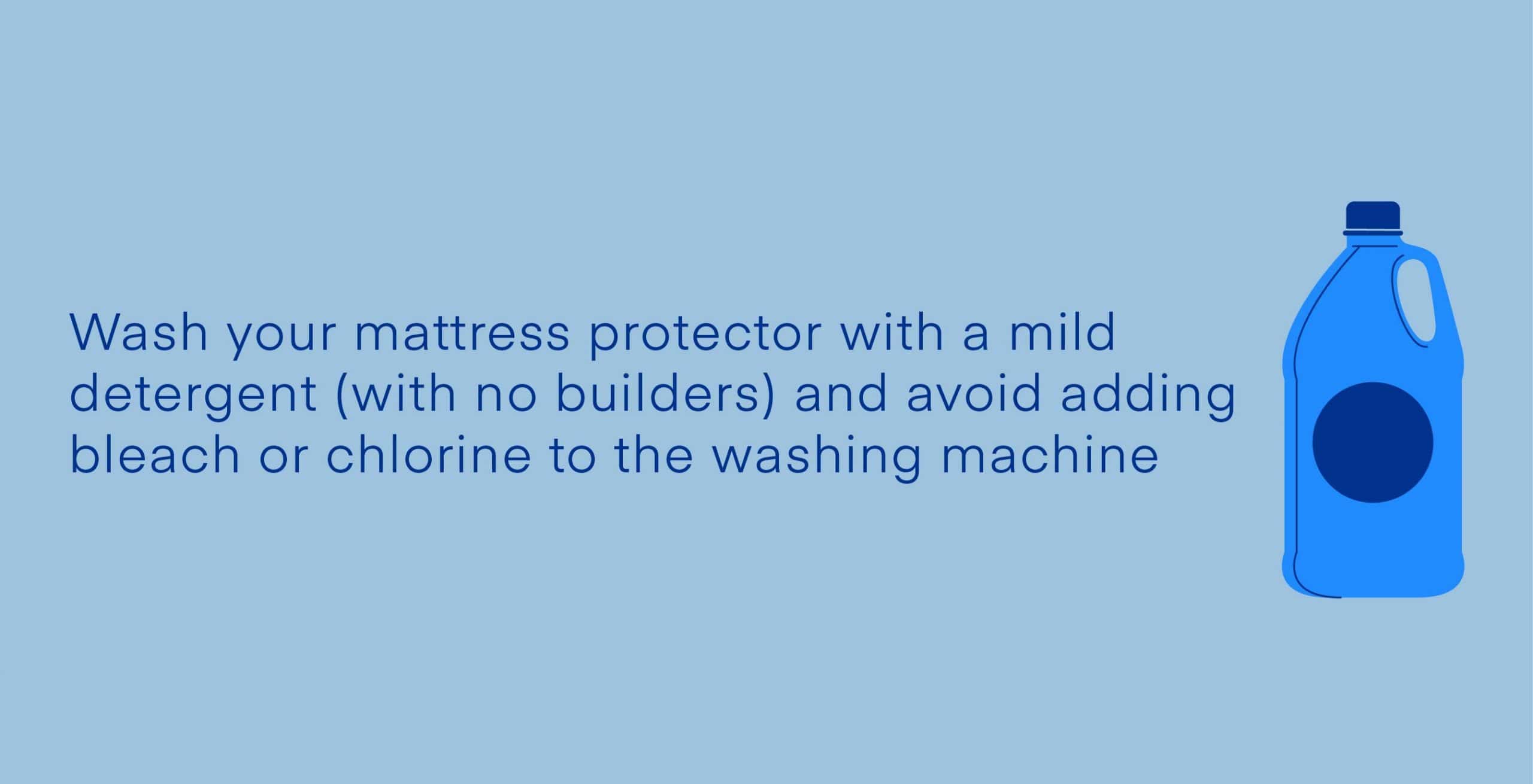
Choosing the right detergent is crucial for mattress protectors. Opt for a mild, hypoallergenic detergent. Strong chemicals can break down the protective layer. Use the recommended amount to avoid residue.
Drying best practices help maintain the protector’s integrity. Tumble dry on a low heat setting. Avoid high temperatures that can damage waterproofing. Air drying is a safe alternative. Ensure the protector is completely dry before placing it back on the bed.
Credit: amerisleep.com
Maintenance Between Washes
Maintaining a clean mattress protector doesn’t always require a full wash. Spot cleaning can be effective for minor spills and stains. Begin by blotting the area gently with a damp cloth. Avoid rubbing, as this can spread the stain. For tougher spots, a mixture of baking soda and water can lift stains. Apply the paste, let it sit for up to 30 minutes, then wipe away with a clean, damp cloth.
To keep your mattress protector smelling fresh, deodorizing is key. Sprinkle baking soda evenly over the surface. Let it rest for several hours or overnight to absorb odors. Vacuum the baking soda thoroughly before making the bed. This simple method helps ensure a fresh and pleasant sleeping environment without washing.
Impact Of Washing On Mattress Protector Longevity
Regular washing keeps your mattress protector in top shape. Yet, too much can cause damage. The type of material also impacts how you should care for it. For example, cotton protectors can handle more frequent washes. In contrast, memory foam should only be spot-cleaned. Always follow the manufacturer’s care instructions to avoid wear and tear. This will help extend the life of your mattress protector.
Alternatives To Frequent Washing
Mattress protectors need regular cleaning to maintain hygiene. Protector pads and layers can help reduce the frequency of washes. These additional protective barriers trap dirt and spills before reaching the protector underneath. Easy to remove and clean, they keep the main protector fresher for longer.
Consider antimicrobial covers as another option. They are designed to resist bacteria and allergens, extending the time between washes. This not only saves time and energy but also preserves the material of your mattress protector. Eco-friendly and durable, antimicrobial covers provide a healthy sleeping environment.
Common Myths About Mattress Protectors
Many people believe that mattress protectors are completely waterproof. This isn’t always the case. Some protectors only offer water resistance. Waterproofing varies by material and brand.
It’s a common misconception that all protectors need frequent washing due to waterproof features. Not true. Washing frequency depends on usage and spills. Regular washing is necessary, but not too often.
- Read the label for specific care instructions.
- Water-resistant doesn’t mean waterproof.
- Assess your use to determine washing frequency.
Credit: www.sleepadvisor.org
In Conclusion: Balancing Cleanliness And Care
Washing your mattress protector is vital for the hygiene and longevity of your mattress. Aim for a clean every two months, or more often if allergies or spills occur. A gentle cycle with cool water and mild detergent is best. Always refer to the manufacturer’s instructions to avoid damage.
Protect your mattress further by using a waterproof protector. This will shield against spills and stains. Ensure to dry thoroughly to prevent moisture build-up. For optimal care, rotate your mattress every three to six months.
Regular maintenance extends the life of your mattress and protector. Keep pets off the bed and vacuum the mattress regularly to reduce dust and allergens. Use these simple tips to enjoy a fresh, clean sleeping environment.
Credit: www.dreamcloudsleep.com
Frequently Asked Questions
Should You Wash a Mattress Protector Every Time?
Wash your mattress protector every two months or immediately after spills or stains occur. Regular laundering maintains cleanliness and hygiene, prolonging the protector’s life.
Do Mattress Protectors Go In The Washing Machine?
Yes, most mattress protectors are designed to be machine washable. Always check the care label for specific instructions.
Can A Mattress Protector Go In The Dryer?
Yes, many mattress protectors can go in the dryer on a low heat setting, but always check the care label for specific instructions.
How Often Should I Wash My Mattress Topper?
You should wash your mattress topper every three to six months. Check the care label for specific cleaning instructions to ensure proper maintenance.
Conclusion
Keeping your mattress protector clean is essential for good sleep hygiene. Aim to wash it every two to four months, or more frequently if you have allergies or pets. Regular cleaning not only extends its life but also ensures a healthier sleeping environment.
Remember, a clean bed is a cornerstone of restful sleep.

