

To block your neighbor’s light, install blackout curtains or outdoor privacy screens. You might also plant tall shrubs or trees for a natural barrier.
Dealing with intrusive light from a neighbor’s property can be frustrating, but there are practical solutions to reclaim your space’s comfort and privacy. Blackout curtains are a fast and efficient option for indoor light control, shielding your home from unwanted glare or light pollution during night-time hours.
Outdoor privacy screens can offer an immediate barrier if the light intrusion is coming from a specific direction outside your home. For those who prefer a green approach, planting tall shrubs or evergreen trees provides a year-round natural screen, improving your landscape while blocking out excess light. All these measures are beneficial not only for privacy but also for enhancing the overall livability of your home environment.
Introduction: The Challenges Of Intrusive Light
Dealing with light trespass from a neighbor’s property can disrupt sleep patterns and impact overall comfort. Understanding light trespass is crucial in addressing the issue effectively. It occurs when unwanted artificial light invades your space, often due to improperly directed or shielded outdoor lighting. This intrusion not only interferes with sleep quality but can also detract from the peaceful enjoyment of your property.
To minimize the effects of a neighbor’s light on your well-being, it’s essential to identify the sources and consider potential solutions. Strategies could involve installing window treatments like blackout curtains, planting tall shrubs or trees as natural barriers, or communicating with your neighbor about adjusting their lighting. Addressing intrusive light promptly ensures your home remains a sanctuary of comfort and relaxation.
Credit: www.thisoldhouse.com
Assessing Your Situation
Identifying the source of light that’s infiltrating your personal space is the first step to blocking your neighbor’s light. Begin by pinpointing exactly where the light is coming from; it could be a streetlight, a porch fixture, or an unshielded window. Understanding the origin is crucial for crafting an effective solution.
Evaluating the severity of light intrusion involves considering both its brightness and the effect it has on your environment. Is it merely a nuisance or does it disrupt your sleep? Assessing intensity and impact will inform the level of measures necessary to mitigate the issue.
Knowing your rights includes understanding local ordinances and regulations regarding light pollution. Some areas have ‘dark sky’ laws in place, which may aid in your quest to address the excess lighting. Engage in respectful communication with your neighbor or explore legal recourse if diplomacy fails. Thorough research and due diligence will arm you with the knowledge to proceed confidently.
Diplomatic Approaches To Address The Issue
Approaching your neighbor about their excessive outdoor lighting can be delicate. It’s often best to engage in a friendly conversation, expressing your concerns while being open to hearing their side of the story. Clear communication is key to avoiding misunderstandings and reaching a mutually acceptable solution.
Suggesting the use of light timers or sensors could serve as a compromise. These devices ensure lights are on only when necessary, reducing the disruption to your home. This can be an effective solution that balances the need for security with the right to a dark sky.
If an amicable resolution seems unattainable, consider mediation. A neutral third party can facilitate discussions to help both parties reach an agreement. This step should only be taken after all other diplomatic efforts have been exhausted.
Physical Solutions Inside Your Home
Effective utilization of curtains and blinds stands as a primary defense against intrusive light from neighboring properties. Opting for heavy, opaque fabrics can significantly reduce the amount of light that penetrates a room. Installing blackout curtains or layered window treatments provides a customizable solution to block out unwanted light completely or allow some to filter through according to preference.
To supplement curtains and blinds, window films offer an additional layer of protection. Certain films are designed to reflect sunlight while reducing the brightness and glare during the day. Not only do these films prevent excessive light, but they also enhance privacy and can contribute to energy savings by insulating the window.
| Privacy Solution | Benefits |
|---|---|
| Planting Privacy Hedges | Year-round light blockage, aesthetic appeal |
| Trees | Natural filtering of light, additional benefits like air purification |
Planting privacy hedges or trees serves as a natural barrier against unwanted light. This approach not only blocks the line of sight but also has the advantage of improving the aesthetic of your outdoor space. Careful selection of plant species and strategic placement is key for maximum efficacy in light control.
Outdoor Tactics To Reduce Light Spillage
Installing fences and privacy screens can be an effective way to mitigate light spillage from your neighbor’s property. A properly constructed fence or privacy screen not only enhances your privacy but also helps block unwanted light. It is essential to choose the right height and material for your fence to ensure that it serves its purpose without violating any local zoning laws.
Furthermore, strategically positioning physical obstructions such as tall shrubs or trees can provide a natural barrier against intrusive light. It’s important to plan the placement of these elements in a way that they do not cause any obstruction to your space while still providing maximum coverage against unwanted light.
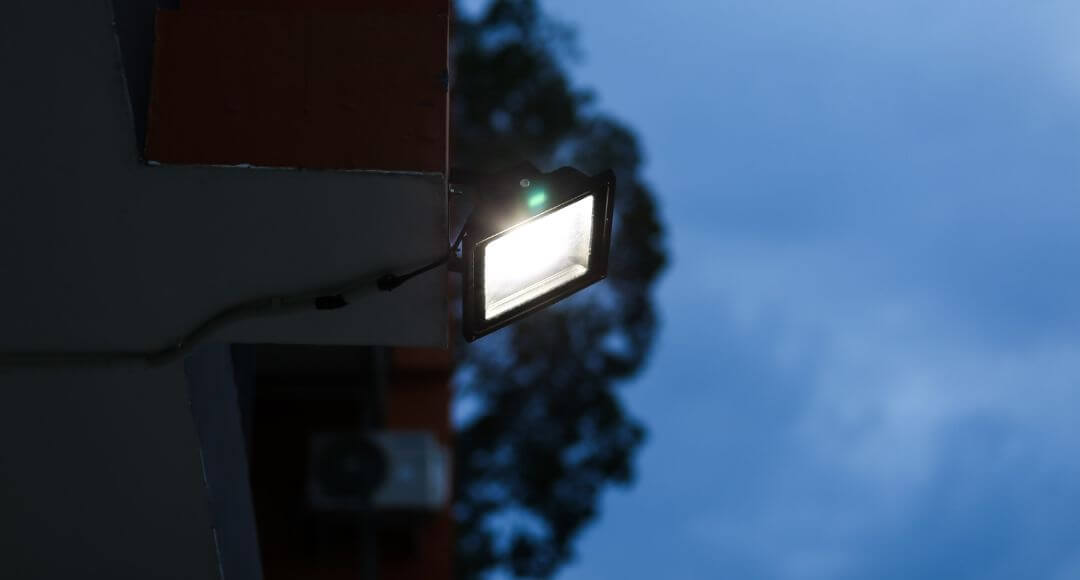
Considering outdoor lighting, maintaining a balance between personal safety and limiting light intrusion into your neighbor’s space is vital. Shielded light fixtures that direct light downwards are an effective solution to prevent light spillage, ensuring that outdoor areas are well-lit for safety purposes while minimizing the impact on neighboring properties.
Implementing Advanced Solutions
Motion-Detected Lighting Systems serve as efficient solutions for minimizing intrusive light. By installing these systems, exterior lights activate only upon detecting motion, reducing overall light pollution. This approach ensures illumination is provided as needed, conserving energy while diminishing the impact on neighbors.
Embracing cutting-edge technology further enhances control over light spillage. Timers can be set to operate outdoor lighting exclusively during peak hours, ensuring lights are off overnight. Remote-controlled shades present an innovative solution, allowing residents to adjust window coverings from any location, effectively blocking light when necessary.
| Technology | Benefits |
|---|---|
| Motion-Detected Lighting | Only activates with movement, reduces unwanted light |
| Timers | Controls lighting hours, prevents night-time disturbances |
| Remote-Controlled Shades | Manages indoor lighting, improves neighborly relations |
Community cooperation plays a pivotal role in promoting darker skies. Pooling resources and ideas can lead to implementing neighborhood-wide strategies. Initiatives such as agreeing on light curfews or collective investments in shared lighting systems may significantly mitigate light intrusion, fostering harmonious coexistence.
When To Seek Legal Action
Understanding light nuisance laws is paramount before taking any legal steps. Regions often have specific regulations defining what constitutes a light nuisance, typically revolving around excessive, intrusive, or harmful light. Before legal action, it’s crucial to ascertain whether your situation aligns with these legal definitions. Knowledge of local ordinances and statutes will guide your decision-making process.
Filing a complaint involves several key steps. Initially, maintain records by documenting the light intrusion. This may include photos or video evidence, along with a diary noting the frequency and impact of the nuisance. Next, submit a formal complaint to the property owner or local authority depending on the laws in your area. Seeking the advice of a solicitor can also help ensure your claim is presented effectively.
Potential outcomes of legal intervention can vary. Resolution might be achieved through mediation, resulting in an agreement to dim or redirect the lighting. Alternatively, court action could lead to an injunction against the offending party or potentially compensation for damages caused by light pollution. Understanding the possible repercussions helps in preparing for the legal journey ahead.
Conclusion: Coexisting With Neighbors
Effective communication can forge understanding between you and your neighbors, which is essential when addressing the issue of intrusive light. Regular, friendly conversations can help establish mutual respect and a willingness to find compromise. It is crucial to express concerns without confrontation, striving to maintain a peaceful community atmosphere.
Striking the right balance between maintaining personal privacy and fostering a sense of community is vital. This can involve implementing strategic solutions while still considering the neighbors’ perspectives. Understanding each other’s needs paves the way for harmonious living.
| Strategy | Description | Impact |
|---|---|---|
| Window Treatments | Installation of blackout curtains or shades | Minimizes light intrusion |
| Exterior Barriers | Erecting fences or planting hedges | Provides a natural filter for light and enhances privacy |
| Direct Communication | Discussing the issue with neighbors to find a solution | Encourages neighborly resolution and understanding |
Credit: www.simplelighting.co.uk
Frequently Asked Questions Of How To Block Your Neighbor’s Light
What To Do If Your Neighbors Lights Are Too Bright?
Communicate with your neighbor about the issue and politely request an adjustment. If unresolved, use blackout curtains or shades. Consider contacting local authorities or a homeowners’ association for further assistance with light pollution regulations.
What Is An Example Of Light Trespassing?
Light trespassing occurs when unwanted artificial light spills over onto neighboring properties, such as a bright streetlight illuminating a bedroom.
Is A Neighbor’s Light A Nuisance?
Yes, a neighbor’s light can be considered a nuisance if it is excessively bright or intrusive to your property. It may violate local light pollution laws.
Can You Sue A Neighbor For Light Pollution?
Yes, you can sue a neighbor for light pollution if it violates local ordinances or causes a nuisance. Legal action may require proof of harm and the failure of other remedies.
Conclusion
Dealing with intrusive light doesn’t have to keep you up at night. Simple solutions, from curtains to fences, can restore your peaceful environment. Remember, a respectful approach to neighborly issues often yields the best results. Take back control of your living space and enjoy the comfort of your home, uninterrupted.

