

To inflate an air mattress with an air compressor, attach the compressor’s nozzle to the mattress valve and fill it to the desired firmness. Unplug the compressor once inflated.
Sleeping comfortably outdoors or accommodating guests at home often calls for an air mattress, and knowing how to inflate it with an air compressor can help make the process swift and effortless. Air mattresses provide the perfect blend of convenience and comfort, but if they’re not properly inflated, they can lead to a poor night’s sleep or damage to the mattress itself.
An air compressor, commonly used for powering tools and inflating tires, can also be the ideal companion for your air mattress. Equipped with this knowledge, you’ll turn a deflated piece of PVC into a cozy, air-filled bed in no time, ensuring a restful sleep wherever you are. Read on to understand the quick and easy steps to ensure your air mattress is inflated just right.
Essential Equipment For The Task
Identifying the right air compressor for inflatable mattresses is critical. Ensure the compressor is compatible with the valve type on your air mattress. Most air mattresses have either a wide-opening valve or a traditional pinch valve.
For quick and effective inflation, use a compressor with adjustable PSI settings. This prevents damage to the mattress from overinflation.
| Valve Type | Compressor Nozzle Fit |
|---|---|
| Wide Opening Valve | Large nozzle adapter |
| Traditional Pinch Valve | Smaller, tapered nozzle |
Avoid compressors meant for high-pressure applications, like those used for car tires. They can burst your mattress. Go for low-pressure, high-volume air compressors. Check the product description or manual to confirm suitability.
Preparing The Air Mattress
Before filling your air mattress, it is essential to unpack it properly. Lay the mattress out flat on a clean, level surface. This ensures no folds or creases can obstruct the inflation process. Be sure to give it time to fully stretch out before you start.
Always check the entire surface for any signs of damage or punctures. If a leak is present, it is crucial to repair it first to prevent any air from escaping, which can impact the quality of your sleep and the longevity of the mattress. Remember, even a small hole can turn into a big problem once the mattress is under pressure.
Setting Up The Air Compressor
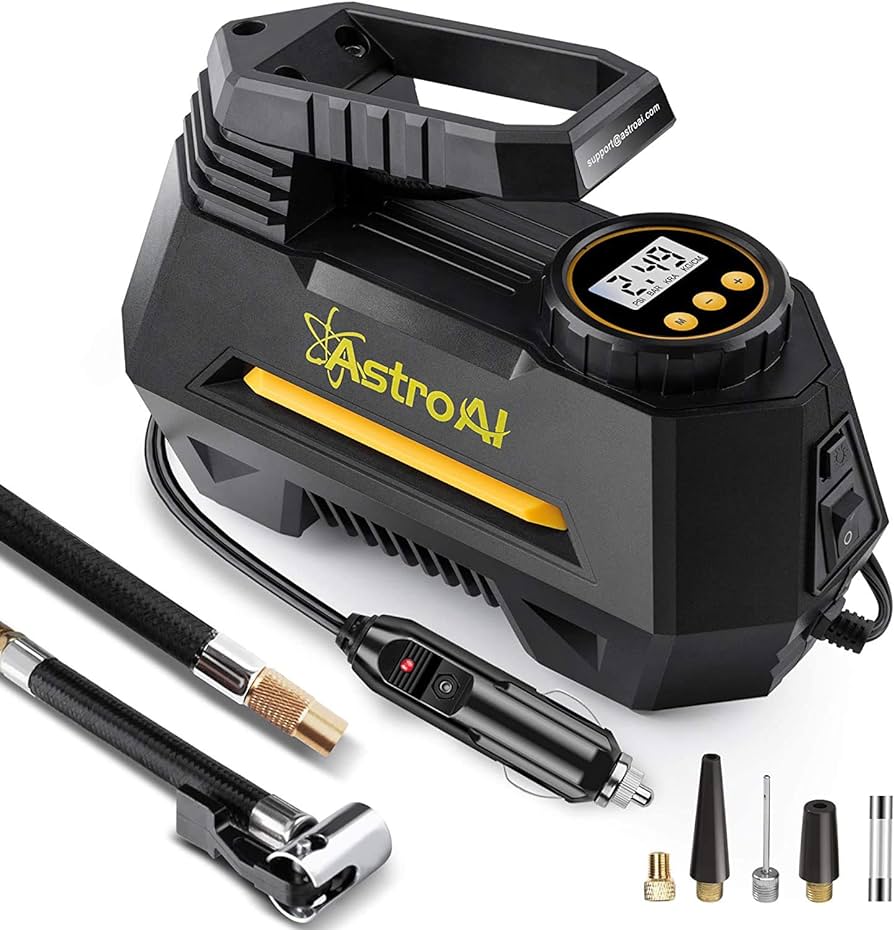
Properly setting up the air compressor is crucial. First, ensure all parts are undamaged and clean. Your air compressor should come with a hose and adapter nozzle. Connect the hose to the compressor securely. Then, attach the adapter nozzle designed for air mattresses to the other end of the hose. Before turning on the compressor, double-check all connections.
Always remember safety precautions. Wear protective eyewear and ear protection to shield yourself from potential harm. Keep the air compressor on a stable surface to prevent it from tipping over. Never leave the air compressor unattended while it’s running, and avoid overinflation as it might damage the air mattress.
Attachment Options
To inflate an air mattress using an air compressor, finding the right nozzle is key. An incorrect nozzle won’t fit your mattress valve. Air compressors often come with a set of nozzles. Check these first for a match. If none fit, a universal inflation kit may have the one you need. Ensure the nozzle snugly secured to the valve. This prevents air leaks and ensures efficient inflation.
DIY adapters can be a solution if the right nozzle is missing. These might be fashioned from PVC pipes or garden hose parts. Creative approaches require caution. They must ensure a firm attachment without damaging the mattress valve. Always verify compatibility before attempting to use homemade solutions.
Inflating The Mattress
Ensure the air compressor is off before attaching it. Find the mattress valve cap and remove it. Take your air compressor nozzle and connect it to the valve. To prevent air leaks, make sure the connection is snug and secure.
Watch the mattress as it inflates. Stop inflating when it feels firm to the touch. Do not over-fill to avoid damage. Disconnect the hose and replace the valve cap quickly.
Avoiding Common Mistakes
Overinflating an air mattress can lead to damage and reduced comfort. Keep the pressure just right to ensure the mattress’s longevity. A burst seam or a popped mattress might occur if too much air is used. Always check the manufacturer’s recommendations for the correct PSI.
For even inflation, ensure the air mattress is laid out flat. Any wrinkles or folds can cause uneven surfaces once inflated. Start the compressor and fill the mattress slowly. Regular pauses help in checking if the mattress is firm but not too taut. Uneven inflation not only causes discomfort but could strain the mattress material.
Post-inflation Tips
Checking for ideal firmness in your air mattress is key after inflation. Gently press down on the surface. Your hand should not sink in too deeply. A slight give indicates a perfect balance. Tough to tell? Lie down instead. The mattress should support your body evenly. No deep sagging means you’ve nailed it.
Adjusting air levels may be necessary. Feel too soft or firm? Use your air compressor gently. To soften, open the valve and release small amounts of air. Listen for the hiss and close it quickly. To firm up, add air in short bursts. Check firmness after each adjustment. Aim for a comfortable resistance. Repeat until it feels just right.
Credit: www.amazon.com
Maintenance And Storage
Ensuring your air mattress stays clean extends its lifespan and provides a fresh sleeping surface. After each use, wipe the air mattress with a damp cloth. Use a mild soap for dirt or stains. Rinse well and dry fully. This prevents mold and mildew buildup.
Fold your air mattress properly to avoid damage. First, flatten the mattress and open the valve. Let all the air out. Once deflated, fold the edges towards the center. Next, roll tightly from one end to the other. Keep it in a cool, dry place to evade moisture.
Troubleshooting
Finding air leaks in your air mattress can be a quick process. First, inflate the mattress fully using your air compressor. Listen closely for hissing sounds. This noise can signal a leak. Can’t hear anything? Try feeling around the mattress with your hands. Sometimes, air escapes silently. Still no luck? Mix soap and water and apply it to the mattress. Bubbles will form at the leak site.
Fix the leak fast to prevent more air from escaping. Patch kits are available for most mattresses. Follow the kit instructions. No kit? Use a piece of heavy-duty tape as a temporary solution. Make sure the mattress surface is clean before applying it.
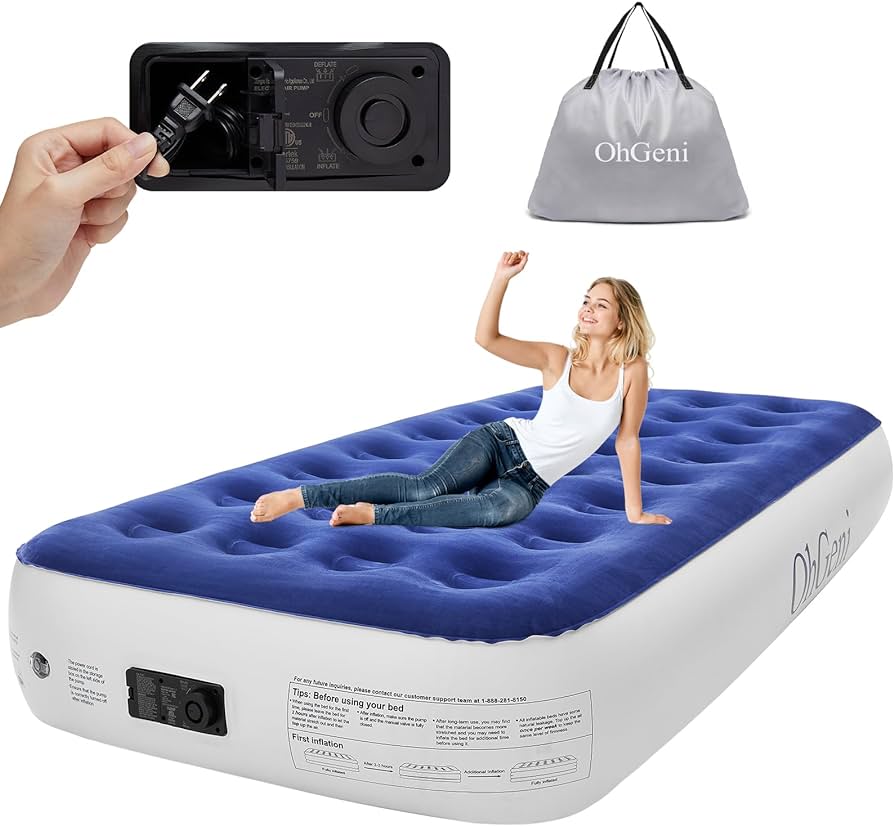
Encounter issues with your air compressor? It might not inflate the mattress properly. Check the compressor’s hose and connections for blockages or damage. Ensure the power source is reliable. An unstable power supply can affect the compressor’s performance. Problems persist? It could be time for a professional check-up or a replacement.
Credit: www.amazon.com
Frequently Asked Questions For How To Inflate An Air Mattress With An Air Compressor
Can You Use An Air Compressor On An Air Mattress?
Yes, you can use an air compressor to inflate an air mattress. Ensure the compressor’s nozzle fits the mattress valve, and fill it carefully to avoid overinflation.
How To Connect Air Compressor To Air Mattress?
To connect, align the air compressor’s nozzle with the mattress valve. If necessary, use an adapter to secure the fit. Then, begin inflating, monitoring the firmness.
What Psi Should Be Used To Inflate An Air Mattress?
For air mattresses, a low PSI of around 1-2 is recommended. High PSI can damage the mattress. Always check the mattress’s instructions for the ideal PSI level.
How Long Does It Take To Inflate With A Compressor?
Inflating an air mattress with a compressor typically takes 2-5 minutes. The time varies based on the size of the mattress and the compressor’s power output.
Conclusion
Effortlessly topping off your air mattress is achievable with the right air compressor. Ensure compatibility, follow safety steps, and select the best attachment. Embrace these tips for a seamless, quick setup that promises restful nights under the stars or cozy accommodations for guests at home.
Inflate away and enjoy your inflatable comfort with ease.

