

Your office chair keeps sinking due to a faulty pneumatic cylinder or damaged seal. This is a common issue with adjustable chairs.
Office chairs are pivotal to ensuring comfort and efficiency in the workplace. A sinking chair disrupts posture, focus, and overall productivity, becoming an unexpected inconvenience during your work day. When the mechanism controlling height adjustment fails, it leaves you with a sinking feeling, literally.
This malfunction typically stems from the gas lift cylinder that controls the chair’s hydraulic pressure, losing its sealing integrity over time. Understanding the cause is the first step toward a solution, ensuring you maintain an ergonomic seating position and uninterrupted workflow. Recognizing this issue early can save you time and the cost of investing in a new chair.
Introduction To The Sinking Chair Dilemma
Many office workers face the frustration of a sinking chair, which can lead to an array of inconveniences and discomforts throughout the workday. This common occurrence can disrupt productivity and cause unnecessary interruptions. Recognizing the key reasons why an office chair may start to sink is pivotal to resolving the issue promptly and effectively.
A typical office chair uses a pneumatic cylinder to enable height adjustment. Wear and tear can cause the seal in this cylinder to fail, leading to a loss of pressure and the chair gradually descending. Other factors contributing to this problem include a malfunctioning adjustment lever or an overextended weight limit. Identifying the precise cause is essential to finding the right solution, whether it be a simple repair or a complete replacement.
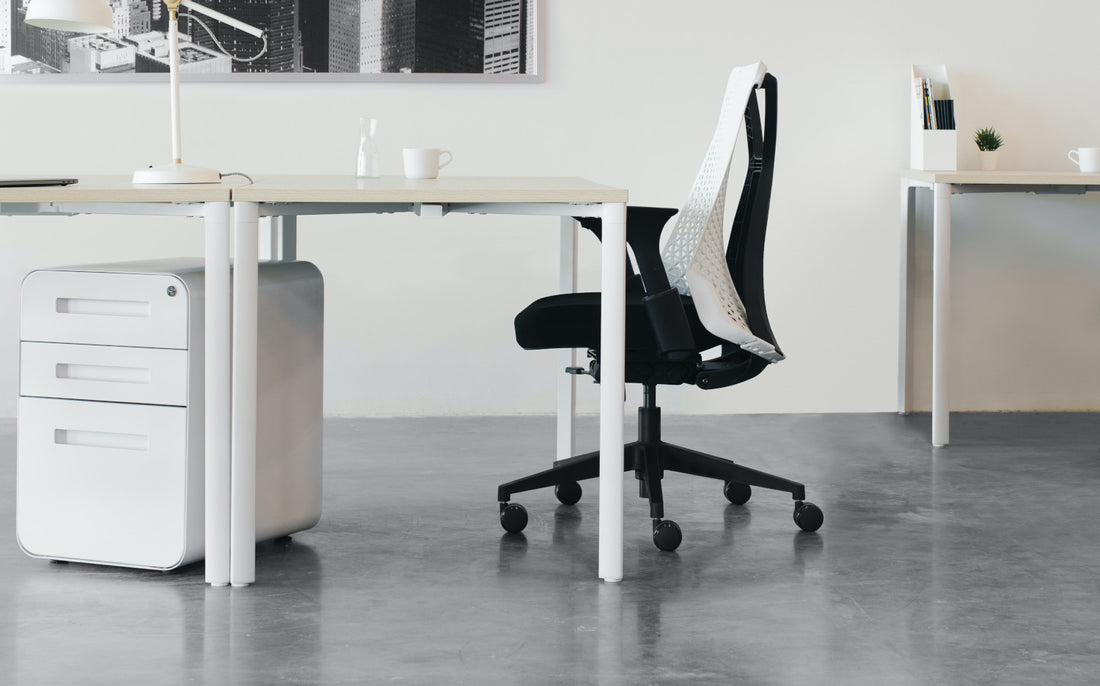
Credit: www.amazon.com
Anatomy Of An Office Chair: How It Works
The pneumatic cylinder, often referred to as the gas lift, is central to an office chair’s height adjustment system. A seal within this cylinder maintains air pressure to support the weight of the user. Over time, this seal can deteriorate, leading to the disheartening and inconvenient issue of a chair that continuously sinks.
Other chair components such as the base, wheels, and seat plate also play significant roles in the overall stability and integrity of an office chair. These parts work in unison to ensure mobility and comfort, yet they are also susceptible to the effects of wear and tear. Daily usage may cause the bolts and screws in these areas to loosen, contributing to a less stable seating experience.
| Component | Function | Common Issues |
|---|---|---|
| Pneumatic Cylinder | Height adjustment | Sinking due to seal wear |
| Base | Stability and support | Loose or broken parts |
| Wheels | Chair Mobility | Worn-out or jammed casters |
| Seat Plate | Attach the seat to the mechanism | Loosening of fasteners |
Diagnosing Your Sinking Office Chair
Sinking office chairs can stem from various issues, often making simple tasks frustrating. To pinpoint the problem, follow a step-by-step guide that begins with checking the cylinder. This involves applying pressure to see if the chair remains elevated. Next, examine the chair’s adjustment lever for any visible damage or malfunction. In cases where the chair sinks suddenly, inspect the internal mechanism, as a broken component could be the culprit.
Recognizing common symptoms is pivotal. A gradual sink usually hints towards a faulty gas lift, whereas intermittent sinking may suggest an issue with the chair’s adjustment knob. Noticing whether the issue occurs with or without weight on the chair can also aid in diagnosis.
Simple fixes can often be done through DIY solutions, such as replacing the gas cylinder or tightening loose components. Yet, if the chair exhibits complex mechanical failures, professional repair services are recommended to avoid further damage or potential injury.
Quick Fixes For A Sinking Office Chair
Tackling a sinking office chair often requires a quick-fix approach to get through the immediate frustration. Applying a hose clamp or duct tape can offer a temporary solution that’s surprisingly effective. Secure a hose clamp around the base of the chair’s cylinder, or if unavailable, tightly wrap duct tape around the same area to provide additional support and prevent the chair from descending.
Moving to a long-term repair, replacing the cylinder should be done with precision. Start by removing the base and the seat to expose the cylinder. Using a pipe wrench, loosen the old cylinder before installing a new one, making sure it’s compatible with your chair’s model. Ensure all connections are tight and secure to avoid any future issues.
Regular adjustment and maintenance are key in preventing future sinking. Familiarize yourself with the tension knobs and adjustment levers of your office chair. Regular checks and tightening of these components can aid in sustaining the chair’s height over longer periods, ensuring that your sitting experience remains consistently comfortable and functional.
Choosing The Right Replacement Parts
Understanding the significance of quality pneumatic cylinders is crucial when addressing a sinking office chair. High-grade materials and construction ensure longevity and proper function. It’s essential to check for industry certifications and user reviews to ascertain the durability and reliability of these components.
Finding office chair parts can be straightforward, with multiple options, such as online retailers, office furniture stores, or directly from the manufacturer. Prioritize reputable vendors that offer original or high-quality aftermarket parts to guarantee compatibility and performance.
Before purchasing, confirm the compatibility of the replacement parts with your chair model. This information is typically found in the product description or specifications. The assembly process should be user-friendly, with instructions available, and it may be beneficial to seek components that come with the necessary tools for installation.
Preventative Measures And Regular Maintenance
Regular maintenance is essential to ensure your office chair remains functional. Implementing preventative measures can address the frustrating issue of a continuously sinking chair, preserving comfort and productivity in your workspace.
Routine Check-up Tips For Your Office Chair
Ensuring the longevity of an office chair requires consistent attention to its components. A critical tip is to examine the chair’s gas cylinder periodically—this part often causes sinking due to wear or damage. A visual inspection to spot any signs of degradation or malfunction can save one from unexpected issues. Securing all bolt connections is equally imperative; loose parts can exacerbate the sinking problem. Routinely tightening screws will maintain the chair’s structure and function.
Lubrication And Cleaning: Keeping Your Chair In Top Shape
Maintaining a clean and lubricated chair not only ensures smooth operation but also prevents premature wear. Apply appropriate lubricants to all moving parts, such as the adjustment levers and wheels, to avoid grinding that leads to damage. Cleaning away dust and debris from the mechanism can significantly extend your chair’s lifespan and prevent common issues like sinking.
When To Consider Investing In A New Chair
Sometimes, the most practical solution is to invest in a new chair, especially if current repairs are not yielding long-term results. Significant wear or persistent issues signal that it’s time for an upgrade. Seeking a model with a robust warranty and known for durability hinges on cost-effectiveness in the long run over repetitive fixes.
Conclusion: Upholding Chair Functionality
Addressing a sinking office chair often involves a few quick repair tactics that can significantly extend the lifespan and functionality of your chair. First, verify the gas lift cylinder and see if it’s securely attached to both the base and the seat. Next, consider a cylinder replacement or a chair-saver kit as a cost-effective solution. For persistent issues, checking the adjustment knob for proper function or consulting with the manufacturer for specific advice might be essential.
Ensuring you have a reliable office chair is crucial since it can greatly impact productivity and comfort during work hours. An investment in a high-quality chair translates to fewer disruptions and may promote better posture and well-being.
Looking forward to future innovations, the industry is exploring enhanced designs featuring longer-lasting materials and technology that might automatically adjust to the user’s body weight and movements, promising a new era of chair durability and user-centric ergonomics.
Frequently Asked Questions Of Why My Office Chair Keeps Sinking
How Do I Keep My Office Chair From Sinking?
To prevent your office chair from sinking, consider these steps: Replace the chair’s cylinder, use a hose clamp for a temporary fix, or apply a chair saver kit. Regularly check for loose components and tighten them. Ensure you’re using the chair within its weight limit to avoid future sinking.
Is There A Way To Fix An Office Chair That Won’t Stay Up?
Yes, you can fix an office chair that won’t stay up by replacing the defective pneumatic cylinder with a new one.
Can You Fix The Hydraulics On An Office Chair?
Yes, you can often fix the hydraulics on an office chair. To do so, refer to the manufacturer’s instructions or consider a professional repair service. Be sure to diagnose the issue correctly before attempting repairs or replacement.
How Do You Fix An Unstable Office Chair?
To fix an unstable office chair, first tighten all screws and bolts. Check the chair’s base for damage, and replace worn parts. Ensure the gas lift cylinder is secure. If persistently wobbly, the chair may need professional repair or replacement.
Conclusion
Facing a sinking office chair can be frustrating, but with the right know-how, it’s a fixable issue. Ensure a stable, comfortable seat by checking for cylinder issues and engaging with the adjustment mechanisms properly. Say goodbye to unexpected dips during your day and maintain peak productivity in a chair that stays put.
Keep your office chair, and your workday, on the up and up.

